The most important step is to correctly assess the situation. Your goal is to figure out if you've found a single, lost intruder or one of the first signs of a larger population. From there, you can take calm, effective steps to solve the problem and prevent it from happening again. This guide will walk you through exactly what to do.
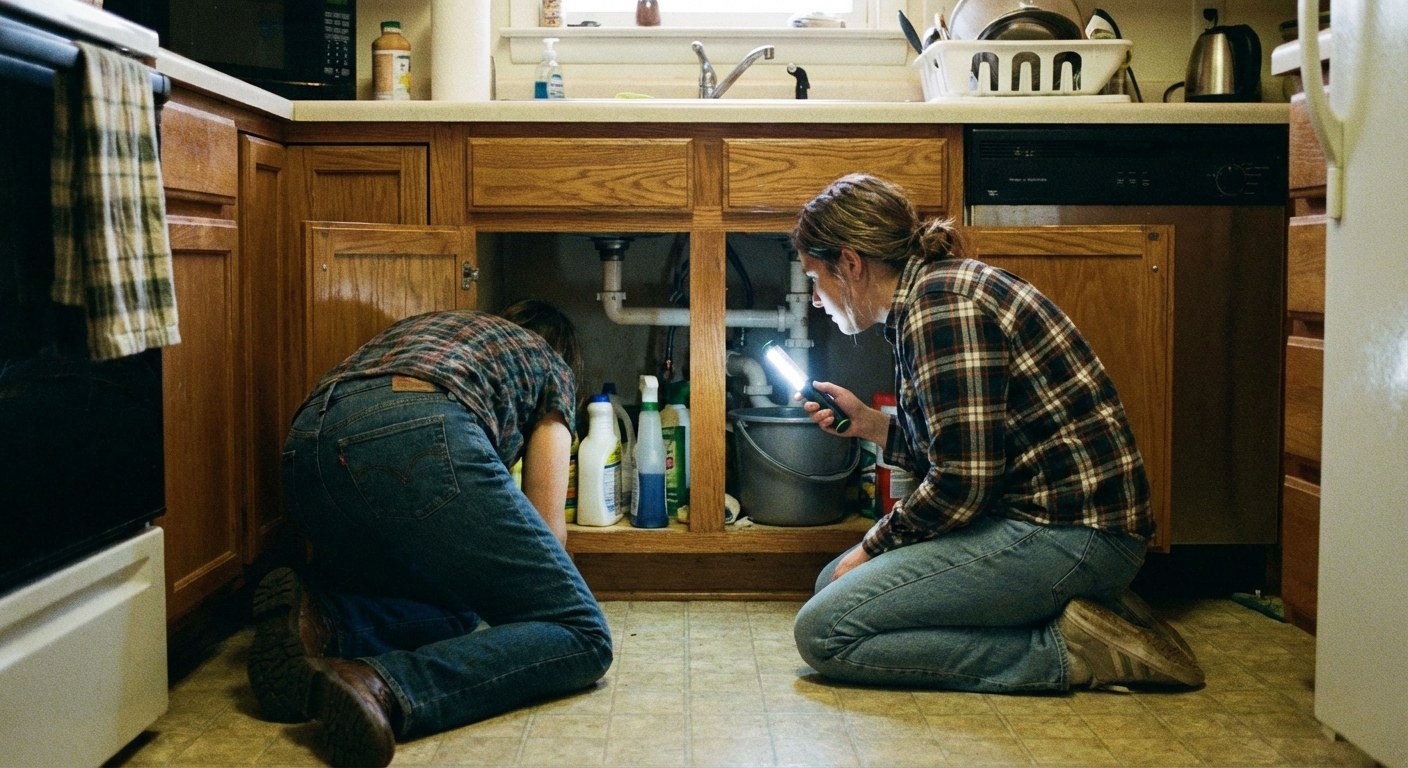 Image Alt: A homeowner shines a flashlight under a kitchen sink to inspect for signs of pests.
First Step: Investigate for More Signs
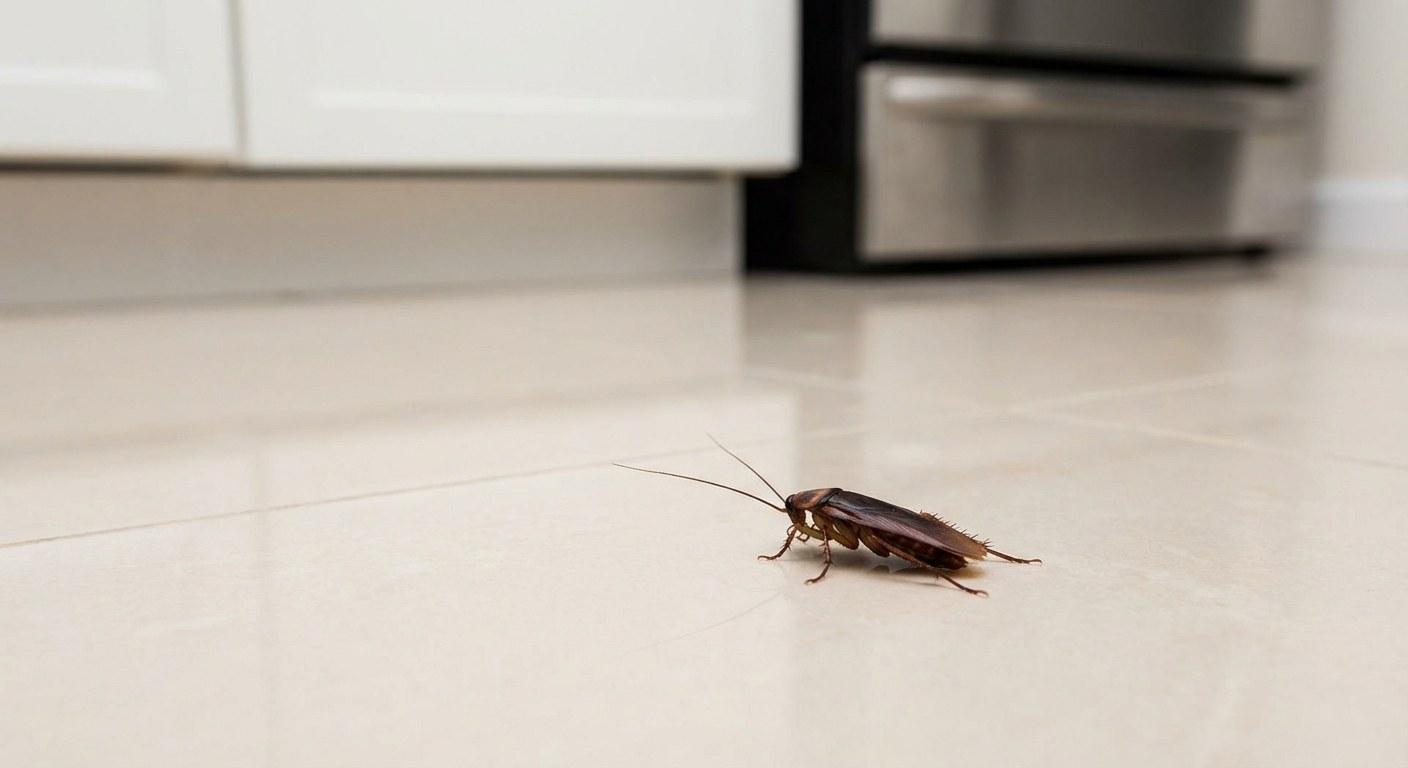
Before you do anything else, you need to determine the scale of the issue. A single cockroach can wander in from outside, but seeing other evidence suggests they may be nesting nearby.
Put on a pair of disposable gloves and grab a flashlight.
- Inspect the area: Carefully check the spot where you saw the cockroach. Look in dark corners, along baseboards, and under the edges of appliances.
- Check for droppings: Look for small black specks that resemble coarse black pepper or coffee grounds. These are cockroach droppings.
- Look for egg cases: Search for small, brown, capsule-shaped casings called oothecae (egg cases). These are a clear sign of a breeding population.
- Expand your search: Use your flashlight to look inside low cabinets (especially under sinks), behind the refrigerator, and under your stove. These are common hiding spots.
Once you’ve done a thorough search, you can decide on the right path forward.
Path 1: How to Handle a Single Cockroach Sighting
If your investigation found no droppings, egg cases, or other roaches, you are likely dealing with a lone visitor. Here is how to handle it.
What You Can Do Yourself
- Dispatch the cockroach: A simple spray of rubbing alcohol in a spray bottle will kill a single cockroach quickly and is less toxic than a dedicated insect killer.
- Clean the area: Use paper towels to pick up the dead roach. Seal it in a plastic bag and dispose of it in an outside trash can. Then, thoroughly clean the surface with warm, soapy water to remove any scent trails it may have left for other pests to follow.
- Set a monitor trap: Place a sticky trap (available at any hardware or grocery store) on the floor near where you saw the roach. This will help you confirm if any others are present.
- Look for entry points: Carefully inspect the area within a few feet of the sighting. Look for gaps around pipes under the sink, cracks in the baseboards, or spaces under doors.
If you find a clear entry point, sealing it is your next move. Using a tube of silicone caulk, fill the gap completely and smooth the bead with a damp finger to create a tight seal.
When to Stop
Monitor the sticky trap for one week. If you don’t catch any more cockroaches and see no other signs, your problem is likely solved. You can remove the trap and rest easy. If the trap catches another cockroach, it’s time to assume you have a bigger issue and move on to the next section.
Path 2: How to Address a Possible Infestation
If your initial search turned up droppings, egg cases, or more than one cockroach over the past week, you need to act more decisively. This indicates a potential infestation that requires a more thorough approach.
What You Can Do Yourself
The first step is to remove the three things cockroaches need to survive: food, water, and shelter.
- Eliminate food sources: Wipe down all kitchen countertops, tables, and your stovetop with a cleaning solution to remove grease and crumbs. Store all food, including pet food, in airtight containers. Empty your trash can daily.
- Remove water sources: Fix any dripping faucets or leaky pipes under sinks. Cockroaches need water, and even a small leak can sustain them. Don’t leave pet water bowls out overnight.
- Consider a gel bait treatment: Insecticidal gel bait is an effective DIY treatment. The roaches consume the poisonous bait and carry it back to their nest, which helps eliminate the population at its source.
- Safety First: Read the product label carefully before you begin. Always wear gloves.
- Apply pea-sized dots of bait in out-of-the-way places where you’ve seen activity: inside cabinet hinges, behind appliances, along baseboards, and under sinks.
- Crucially, ensure these areas are completely inaccessible to children and pets.
- Place a sticky trap nearby to monitor the bait's effectiveness. You should see a decrease in activity within a week or two.
When to Call a Pest Control Professional
Treating a pest problem requires a calm and steady approach. However, there are clear times when it’s best to call for professional help.
Call a professional if:
- You are not comfortable handling or applying pesticides yourself. Your safety and peace of mind are the priority.
- You have applied gel bait and are still seeing live cockroaches after two weeks. This can mean the infestation is larger than DIY products can handle or that they are located in an inaccessible area like a wall void.
- The signs of activity are widespread, appearing in multiple rooms of your house.
- You continue to see evidence of cockroaches after thoroughly cleaning and sealing entry points.
A licensed exterminator has access to more advanced products and equipment. They are trained to identify the exact species, find the source of the infestation, and create a targeted treatment plan that is both safe and effective.
Typical Time and Costs
- DIY Approach: You can complete the initial cleaning and investigation in about an hour. Sealing a few gaps might take another 30 minutes. The cost for supplies like sticky traps, caulk, and gel bait is typically between $20 and $50.
- Professional Treatment: A visit from a pest control professional can vary widely based on your location and the severity of the problem. Expect to pay between $100 and $400 for an initial inspection and treatment. Comprehensive plans or follow-up visits will add to the cost.
You Are Prepared to Handle This
Seeing a cockroach is unsettling, but it is a manageable problem. By methodically assessing the situation, you can determine if it's a simple fix or something that requires a more serious response. Whether you handle it yourself with careful cleaning and sealing or decide to call a professional, you now have a clear plan.
Keeping a consistent home maintenance schedule is one of the best ways to prevent pests. The Casa app can help you track tasks like sealing cracks, checking for leaks, and deep cleaning—all of which make your home less inviting to unwanted guests. Download Casa today to stay prepared and confident in managing your home.