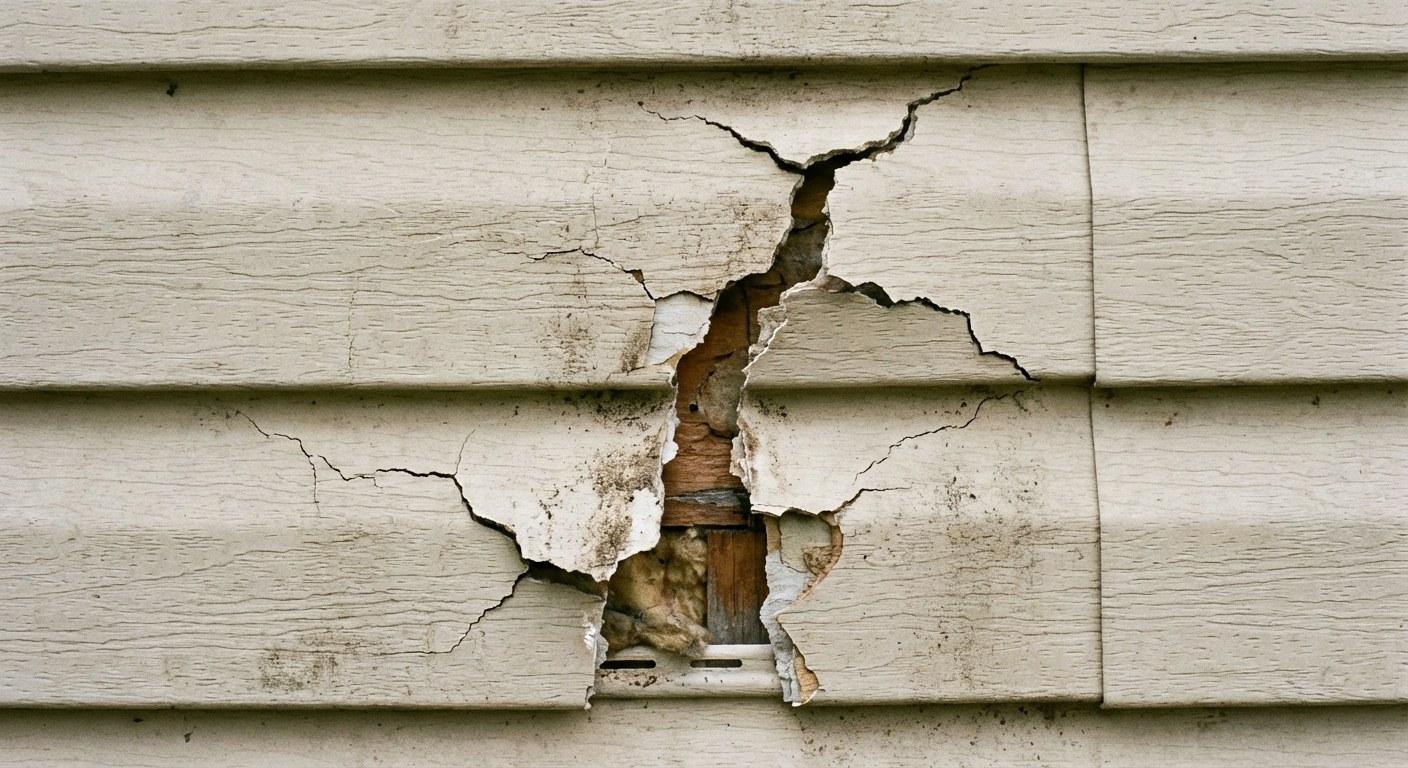
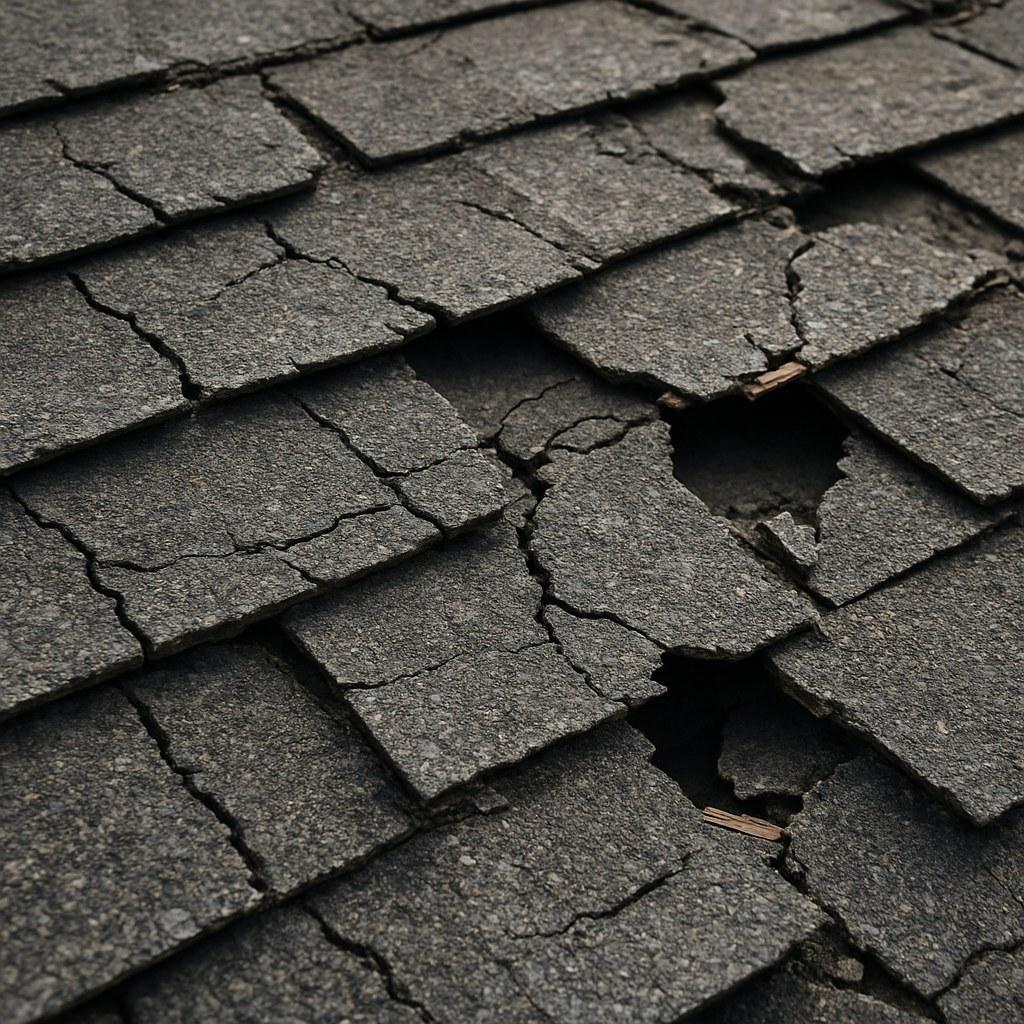
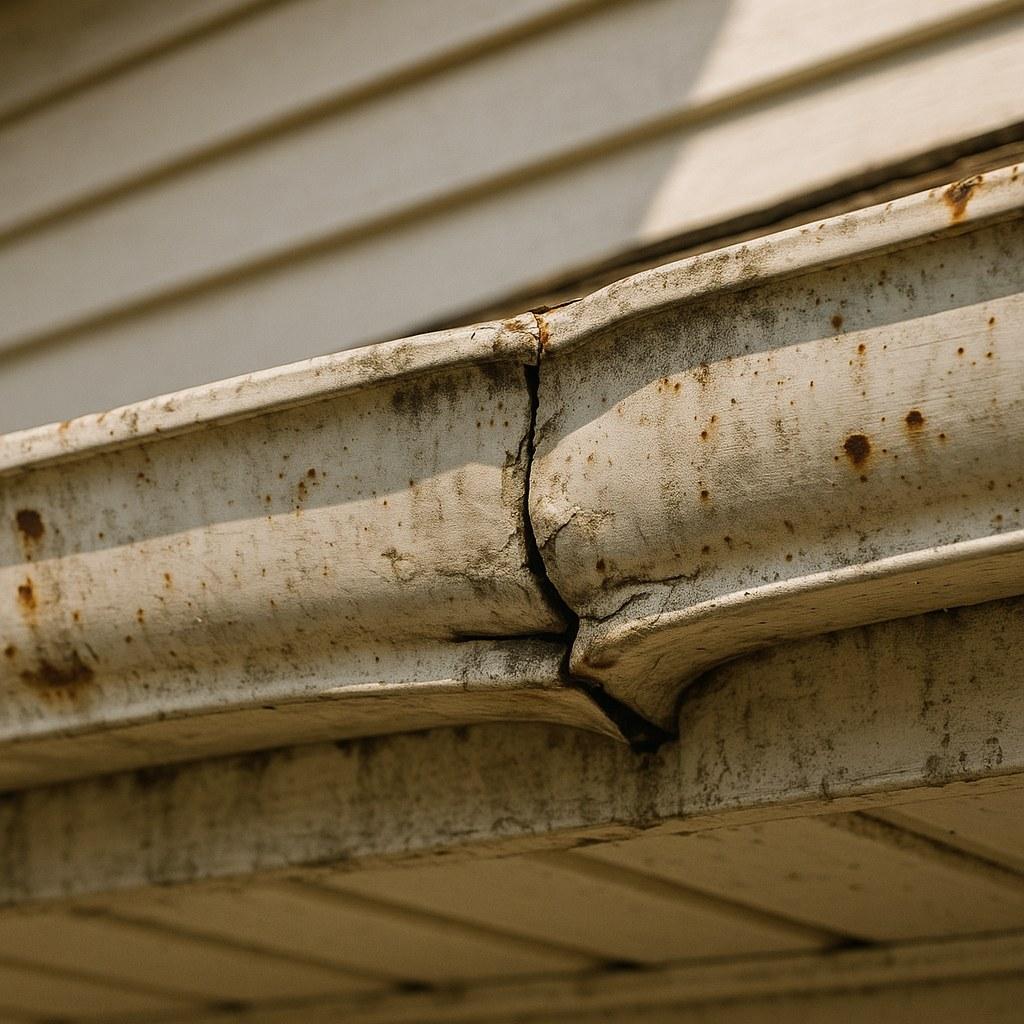
The right way to fix damaged siding depends entirely on two things: the siding material and the extent of the damage. A small crack in a vinyl panel is a very different job than replacing a rotted wood board.
This guide will walk you through how to inspect the damage, understand your options, and decide whether to tackle a simple repair yourself or call in a professional.
First Step: A Quick Safety and Damage Inspection
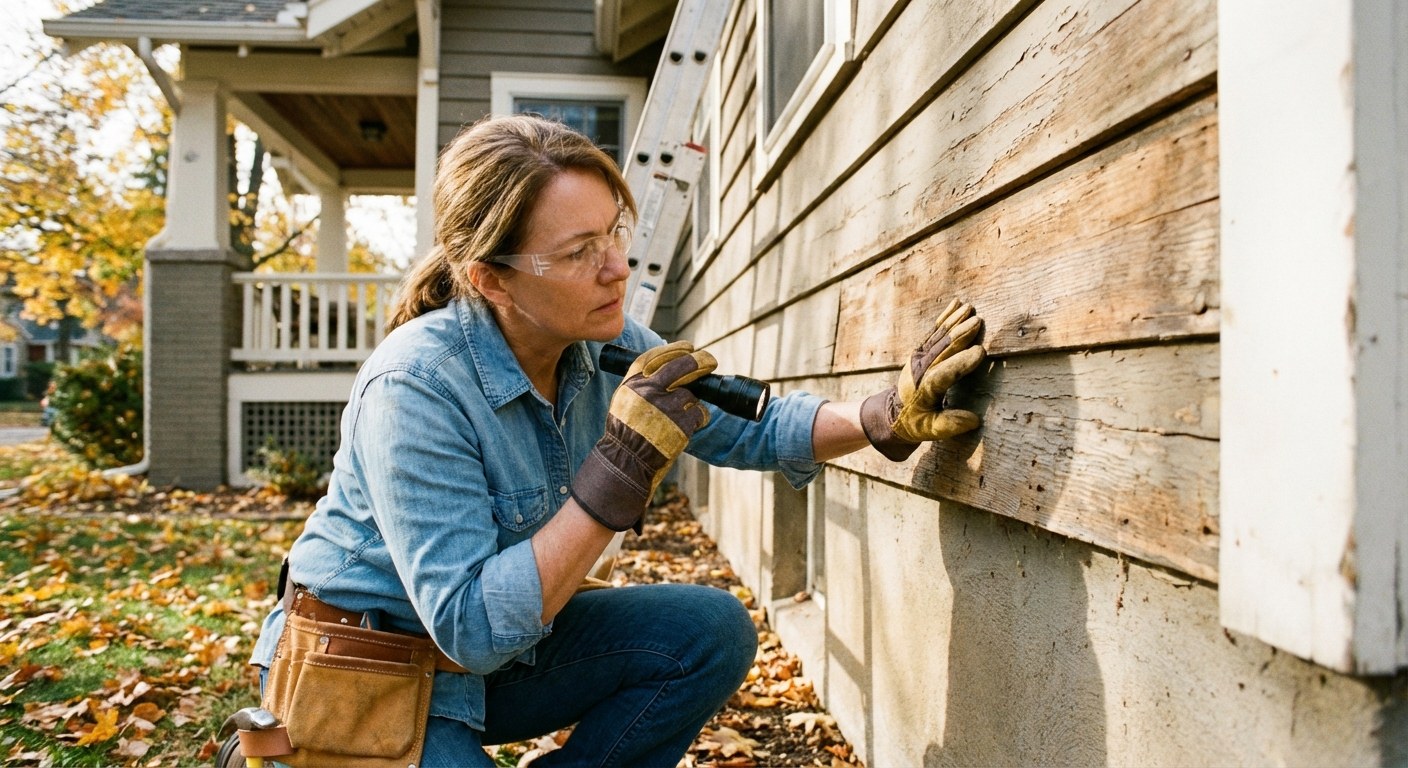
Before you can decide on a fix, you need to get a clear picture of the problem. Take a few minutes to walk around your home and assess the situation.
What you’ll need:
- Work gloves
- Safety glasses
- A sturdy ladder (if needed)
What to do:
- Visually scan your home’s exterior. Look for any panels that are cracked, dented, warped, or pulling away from the wall.
- Examine higher sections. If you use a ladder, be sure it’s on stable ground and have someone spot you. Get eye-level with the damage to see it clearly.
- Identify your siding material. This is the most important step.
- Vinyl feels like smooth, slightly flexible plastic.
- Wood will show a natural grain, even if painted.
- Fiber-cement feels heavy, dense, and almost chalky, like a thin sheet of concrete.
- Metal (usually aluminum or steel) feels cool, solid, and may have small dents.
- Take photos of the damage. Having clear pictures is helpful for reference or if you need to consult a professional. You can store these in the Casa app to keep a record of your home’s condition over time.
Once you know your siding type and have a good look at the damage, you can determine the best course of action.
How to Repair Vinyl Siding
Vinyl is durable and relatively easy to work with, making many repairs accessible for a prepared homeowner.
Assess the Damage:
- Look closely at the panel. Is it just a clean crack, or is the whole panel bowing, warped, or pulling away?
- Measure any cracks. A small, hairline crack is much simpler to address than a large one.
Safe to Try Yourself: Patching a Small Crack
If you have a crack that’s less than 6 inches long and the panel is otherwise flat and secure, a simple patch is often enough.
- Clean the area around the crack with a general-purpose cleaner and a cloth. Let it dry completely.
- Apply a bead of high-quality, paintable exterior caulk along the length of the crack.
- Use a putty knife or your finger to smooth the caulk, forcing it into the crack and creating a flush surface.
- Wipe away any excess before it dries.
When to Consider a Full Replacement:
If a vinyl panel is badly warped, has a very large crack, or is pulling loose, patching won’t be sufficient. Replacing the entire panel is the correct solution. This is a more involved task but is manageable if you are comfortable with hand tools.
To replace a vinyl panel:
- Use a zip tool, a special siding removal tool, to unlock the panel above the damaged one.
- Gently pull the upper panel away to expose the nailing strip of the damaged panel below.
- Use a claw hammer or pry bar to remove the nails holding the damaged panel in place, then slide the panel out.
- Install the new panel by locking its bottom edge into the panel below it.
- Secure the new panel with galvanized siding nails, leaving a tiny bit of looseness (about 1/32 inch) to allow for expansion and contraction. Do not hammer the nails tight.
- Use the zip tool to lock the upper panel back over the new one.
When to call a professional: If you’re not comfortable working on a ladder, don’t have the right tools, or the damage involves multiple panels, a contractor can handle the replacement safely and efficiently.
How to Repair Wood Siding
Wood siding adds classic character, but it requires diligent maintenance to prevent rot and decay.
Important Safety Note: If your home was built before 1978, your paint may contain lead. Do not scrape, sand, or disturb the paint. Federal law requires that you hire a lead-safe certified professional for any repairs.
Assess the Damage:
- Gently probe the damaged area with a screwdriver.
- If the wood feels soft, spongy, or crumbles easily, you’re likely dealing with rot. This is a sign of moisture getting behind the siding.
When to Stop and Call a Pro Immediately:
- If you suspect lead paint.
- If you discover wood rot. Rot is often a symptom of a larger moisture problem. A professional needs to replace the rotted board and investigate the source of the water to prevent further structural damage.
Safe to Try Yourself: Repairing a Split Board
If the board is solid (not rotted) and has a clean split, you may be able to repair it with wood glue.
- Use a brush to clean any debris out of the split.
- Apply a generous amount of exterior-grade wood glue into the split.
- Use a bar clamp to squeeze the split closed until the glue oozes out slightly.
- Wipe away the excess glue with a damp rag and let the clamp sit for at least an hour.
- Once dry, sand the area smooth, then prime and paint to match the rest of your siding.
For More Serious Damage: Replacing a Wood Board
If a single board is warped or too damaged for a simple glue repair (but not rotted), you can replace it. This requires careful removal to avoid damaging the surrounding boards.
When to call a professional: If multiple adjacent boards are warped or damaged, it can indicate a systemic issue with installation or moisture. This is a larger job best left to a carpenter or siding contractor.
How to Repair Fiber-Cement Siding
Fiber-cement is extremely tough, but it can be brittle and prone to cracking from impact.
Assess the Damage:
- Is the crack a thin, hairline fracture, or is it wider?
- Gently tap on the panel. Does it feel solid, or does it move or sound hollow? A loose panel needs to be refastened or replaced.
Safe to Try Yourself: Patching a Hairline Crack
For a very thin crack (less than 1/16 inch) on a securely attached panel, you can use caulk.
- Clean any dust from the crack.
- Use a high-quality, paintable exterior caulk that matches your siding color.
- Force the caulk into the crack and smooth it flush with the panel.
- Allow it to cure fully before painting to match if needed.
When to Call a Pro:
Replacing a fiber-cement panel is a difficult job that requires special tools and safety precautions. Cutting fiber-cement creates silica dust, which is hazardous to inhale and requires a proper respirator mask. Due to the material's weight and brittleness, it's easy to break new panels during installation. For anything more than a hairline crack, we recommend calling a contractor with experience in fiber-cement siding.
How to Repair Metal Siding
Metal siding, usually aluminum or steel, is very durable but can be dented or punctured.
Assess the Damage:
- Look for dents, holes, and signs of rust or corrosion.
- Measure the size of the damaged area. Small dents or holes (under 2 inches) can sometimes be filled.
Safe to Try Yourself: Patching a Small Dent or Hole
- Clean the area thoroughly and sand it to remove any paint or rust.
- Apply an exterior-grade metal body filler (similar to what’s used for auto body repair) with a putty knife.
- Build the filler up slightly higher than the siding surface.
- Once it cures, sand it perfectly smooth and flush with the panel.
- Prime the area with a rust-inhibiting primer, then paint to match.
When to Call a Pro:
If you have large dents, significant corrosion, or a hole that can’t be easily filled, the panel will need to be replaced. Like fiber-cement, replacing a metal siding panel can be tricky due to the interlocking system. A professional will have the tools (like metal shears and nibblers) and expertise to do it correctly without damaging adjacent panels.
Typical Repair Costs
- DIY Repairs: For patching, your costs will generally be low—typically $20 to $50 for materials like caulk, wood glue, or body filler. A full replacement panel can cost anywhere from $15 to $100+ depending on the material and style.
- Professional Repairs: Hiring a contractor to replace one or two damaged siding panels will likely cost between $200 and $500, though this can vary widely based on your location, the siding material, and ease of access. For larger areas of damage, costs will be higher.
A Clear Path Forward
Addressing damaged siding doesn't have to be a stressful experience. By taking a methodical approach—inspecting carefully, identifying your material, and honestly assessing the damage—you can make a confident choice. Many small flaws are simple weekend fixes, while bigger issues are clear signs that it’s time to bring in an expert.
Feeling prepared is the best way to reduce homeowner stress. For more guidance on maintaining your home’s exterior and a simple way to track repairs, download the Casa app. We’re here to help you feel ready for whatever your home sends your way.
Related Reading