While clogged gutters are a serious maintenance issue, they are also entirely normal. Leaves, twigs, and sediment accumulate over time, and even the best gutter systems need attention once or twice a year.
The fix is usually straightforward: debris needs to be removed so water can flow freely again. In this guide, we will help you determine if you can safely clear the blockage yourself or if the situation requires a professional roofer.
Signs Your Gutters Are Clogged
You usually know you have a problem when you see water going where it shouldn’t. Look for these common symptoms:
- Overflowing water: During rain, water spills over the sides of the gutter like a waterfall rather than flowing down the downspout.
- Sagging: Heavy, wet debris creates weight that pulls the gutter away from the roofline.
- Plants growing in the gutter: If you see green sprouting from your roofline, you have a compost pile in your gutters.
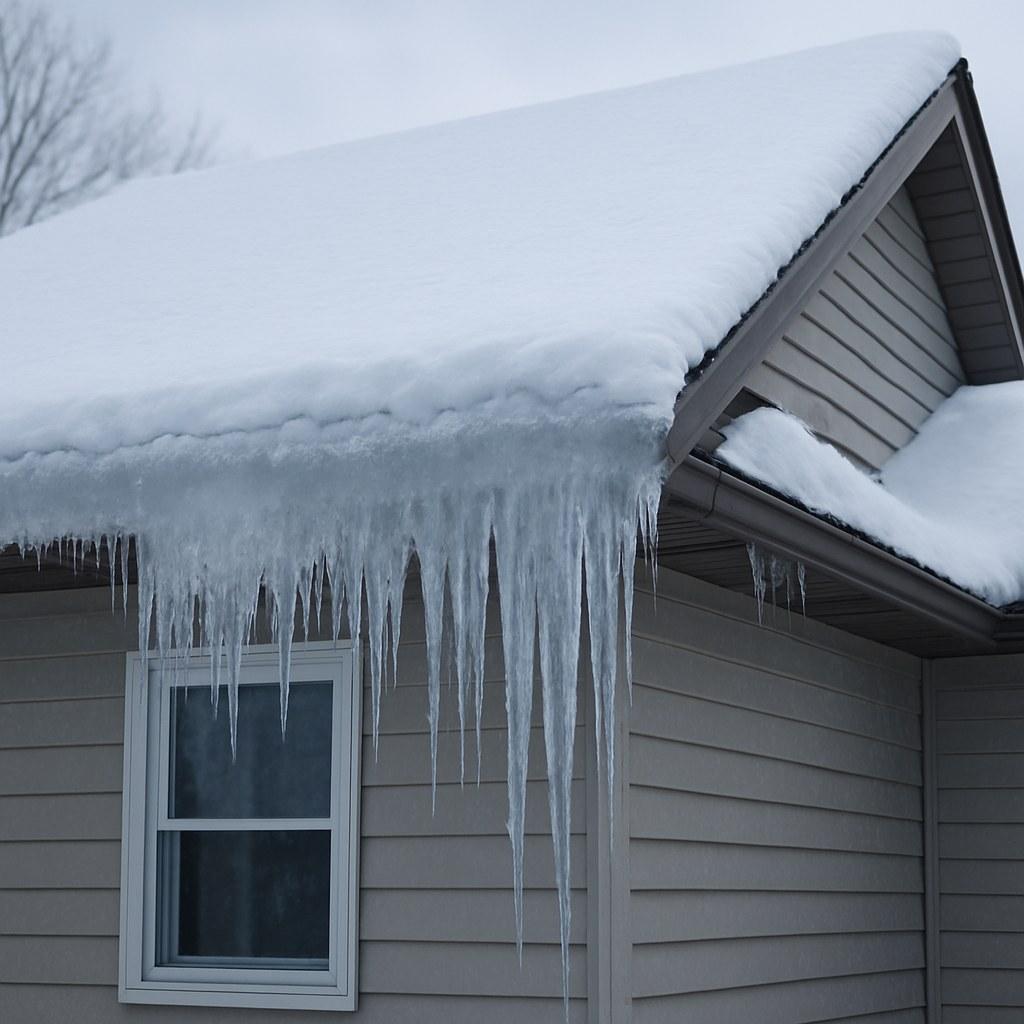
- Ice dams: In winter, thick ridges of ice form at the roof edge, preventing melting snow from draining.
Is It Safe to DIY?
Before grabbing a ladder, we need to assess safety. Gutter cleaning is a leading cause of ladder-related injuries.
You can likely do this yourself if:
- You are comfortable on a ladder.
- The ground is firm, level, and dry.
- You have a "spotter" (a helper) to hold the ladder base.
- The house is a single story, or you have an extension ladder that easily reaches the roofline.
Stop and call a professional if:
- The ground is uneven, soft, or icy.
- The roof is very steep or higher than two stories.
- You feel unsteady or nervous about heights.
- You suspect the gutters are physically broken or detaching from the house.
Step-by-Step Diagnosis and Cleaning
If you’ve determined it’s safe to proceed, here is the process to get your water flowing again.
Step 1: Inspect for Damage
Before you start cleaning, you need to make sure the gutter system is intact. If the hardware is broken, cleaning won’t solve the problem.
- Set up your ladder safely. Ensure it is on solid ground and have your helper steady the base.
- Climb slowly and look inside the gutter.
- Check for structural issues. Look for cracks, holes, or sections where the gutter has pulled away from the fascia board (the board running along the roofline).
- If you see damage: Stop. Cleaning a detached gutter can cause it to fall completely. Call a professional for repairs.
- If the gutters are intact: Proceed to the cleaning steps below based on your situation.
Step 2: Choose Your Cleaning Method
The method you use depends on what you find inside the gutter.
Scenario A: Standard Clog (Leaves and Debris)
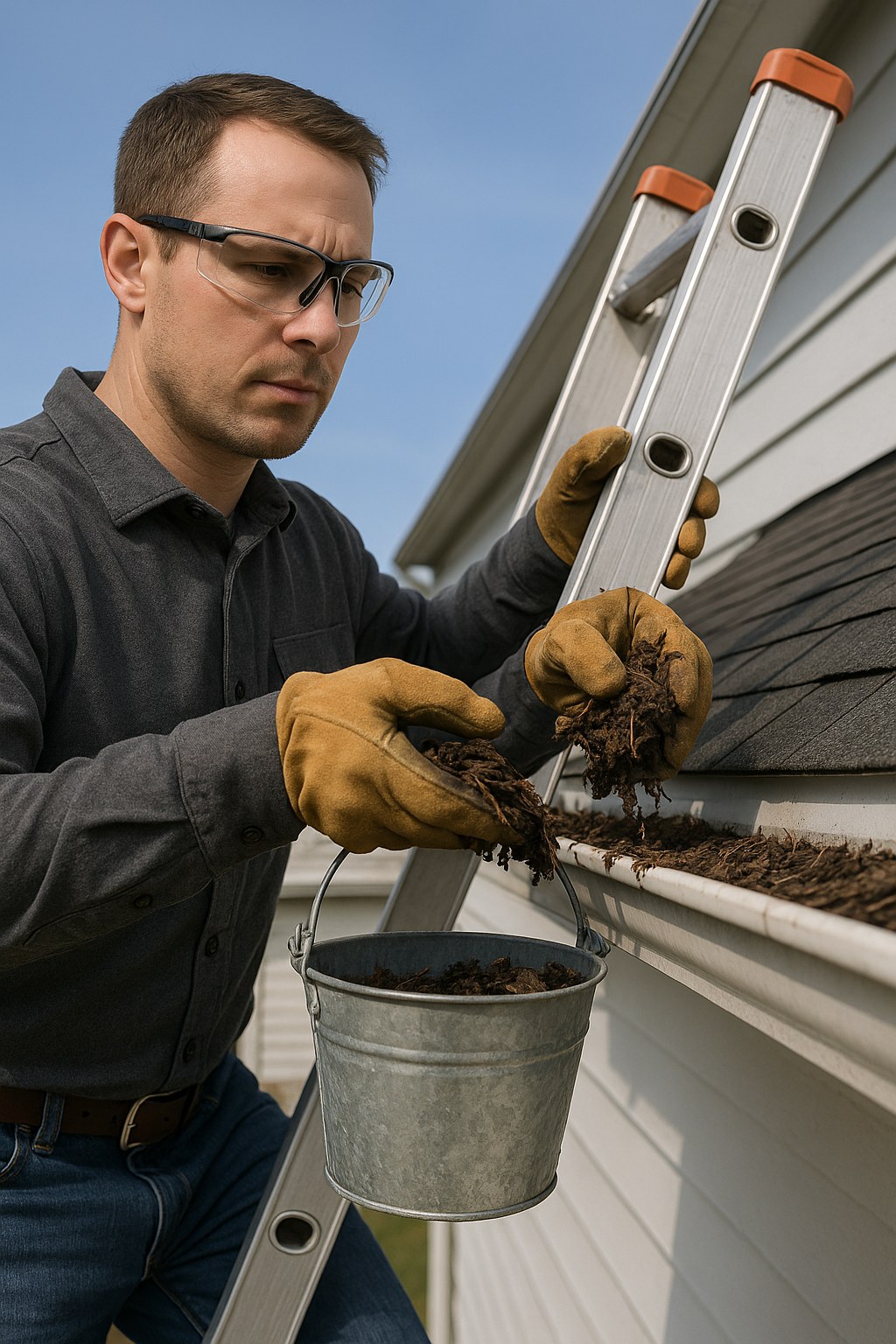
- Tools needed: Work gloves, bucket, gutter scoop (or a small plastic garden shovel), garden hose.
- Method:
- Place your bucket on a ladder hook or have your helper hold it.
- Working in small sections (don’t overreach!), scoop the debris out by hand or with the shovel. Put it in the bucket—don't drop it on the lawn.
- Once the bulk debris is gone, use a garden hose to flush the gutter, moving water toward the downspout.
- Test the downspout: If water backs up, the clog is in the pipe. Use a drain auger (plumber's snake) or a high-pressure hose nozzle to clear it.
Scenario B: Gutters with Guards
- Tools needed: Screwdriver (if guards are screwed in), gloves, hose.
- Method:
- Gutter guards can still get clogged with silt and pine needles. You will need to lift or unscrew the guard sections one by one.
- Clean underneath them as described in Scenario A.
- Reattach the guards firmly so debris can’t bypass them.
Scenario C: Ice Dams (Winter)
- Tools needed: Roof rake, calcium chloride ice melter, pantyhose/nylon stocking.
- Method:
- Do not chop the ice. Hacking at an ice dam with a hammer or shovel will likely destroy your shingles and gutters.
- Use a roof rake (from the ground) to pull snow off the roof above the gutter.
- Fill a nylon stocking with calcium chloride ice melter. Tie it off to make a "sausage."
- Lay the stocking across the ice dam perpendicular to the gutter. It will melt a channel through the ice, allowing backed-up water to drain.
Time and Cost Expectations
Handling this yourself is very cost-effective, but it does take physical effort.
- DIY Cost: $0–$50 (for gloves, a scoop, or ice melt).
- DIY Time: 45–90 minutes for an average-sized home.
- Professional Cost: $150–$300 for a standard cleaning. Ice dam removal is significantly more expensive, often starting at $400+ depending on severity.
Prevention and Maintenance
The best way to handle clogged gutters is to stay ahead of them.
- Clean twice a year: Aim for late spring (after seeds/blossoms fall) and late autumn (after leaves fall).
- Trim trees: Keep branches cut back at least 6–10 feet from the roof to reduce debris.
- Monitor during rain: Next time it rains, pop outside with an umbrella. If you see a small overflow, mark that spot mentally—it’s the first place to check when the weather clears.
Set reminders for spring and fall cleaning so you aren't caught off guard by a waterfall over your front porch.
Final Thoughts
Clogged gutters are messy, but they are rarely a disaster if caught early. By taking an hour to clear them out, you protect your home’s foundation and siding from water damage.
However, never compromise your safety. If the ladder feels wobbly or the roof is too high, hiring a pro is the smart financial decision compared to the cost of an injury.
For more guides on exterior maintenance and checklists to keep your home running smoothly, explore the Casa maintenance library.
Related Reading