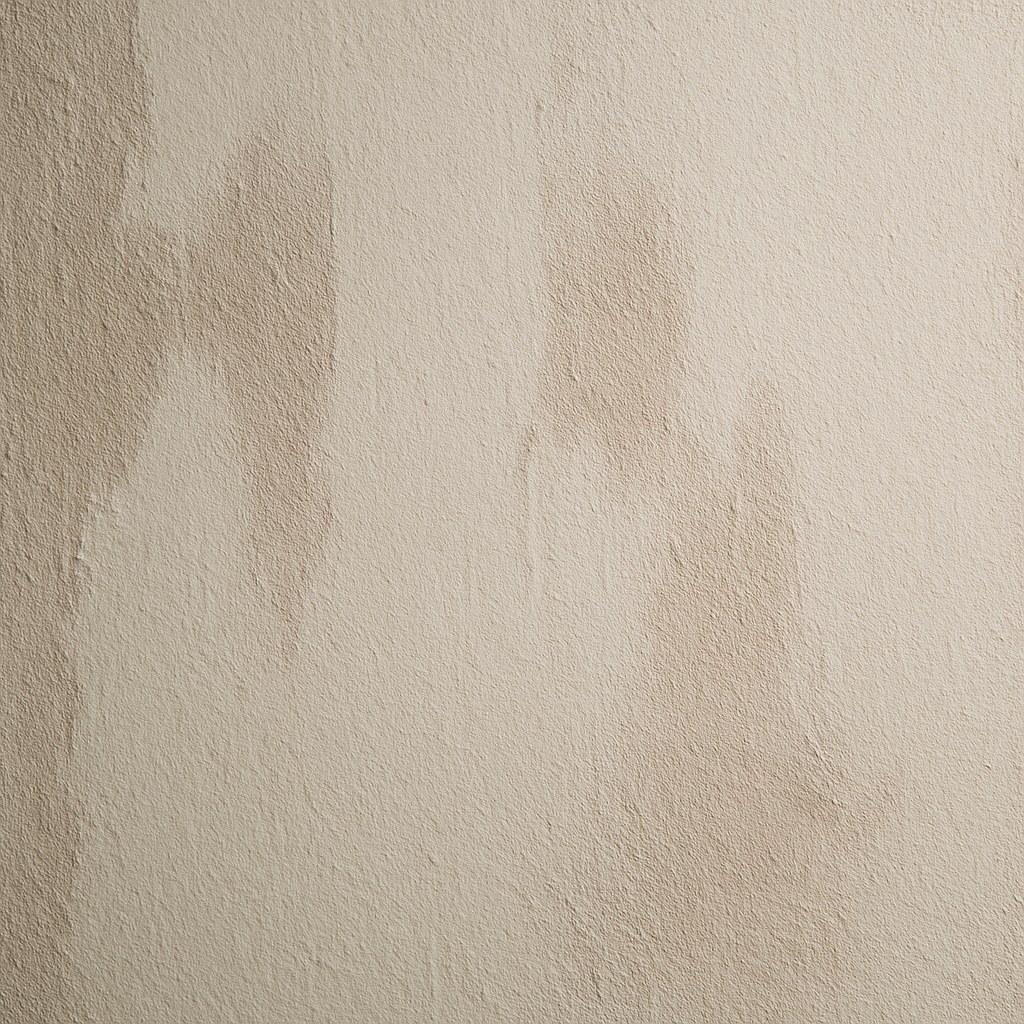
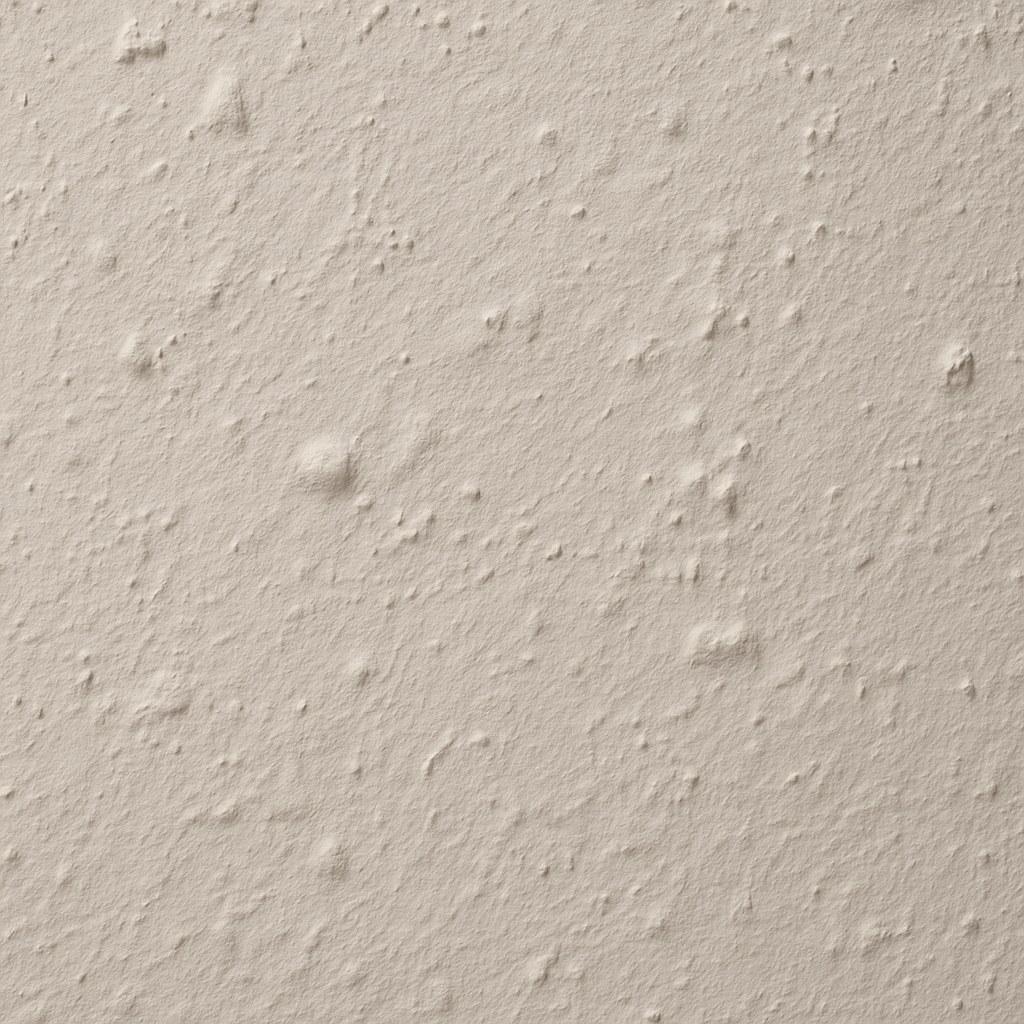
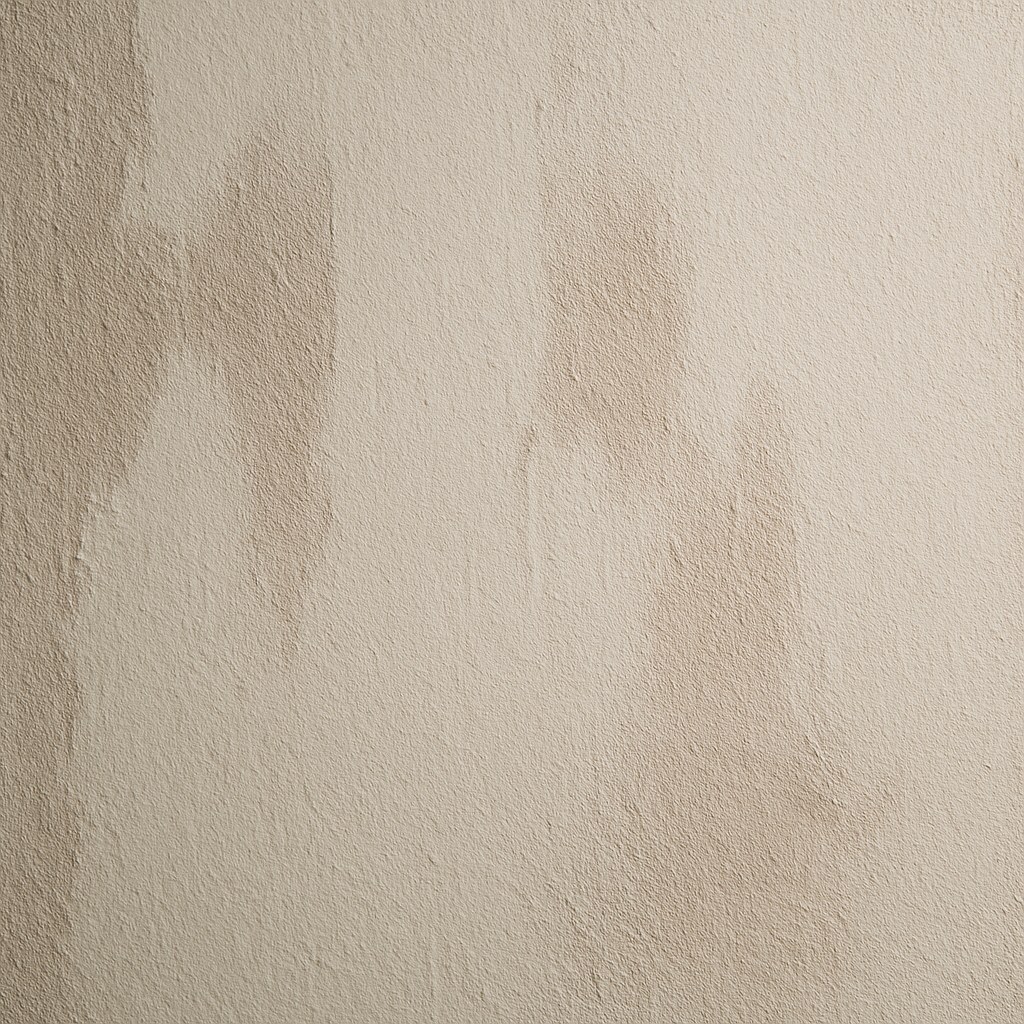
This frustrating phenomenon is called paint bleed-through, and it’s one of the most common painting problems homeowners face. It can look like an uneven, faded color, a shadowy outline of the previous coat, or distinct spots and stains that refuse to be covered.
The good news is you don’t have to live with it, and you certainly don’t have to strip the whole wall and start from scratch. Fixing paint bleed-through is all about proper diagnosis and using the right products for the job. Think of yourself as a detective for a moment. Once we figure out why the paint is bleeding, the solution is often straightforward.
Let’s walk through how to identify the cause and fix it for good, so you can get the flawless finish you were aiming for.
What Causes Paint to Bleed Through?
Before we grab a roller, let’s understand the common culprits behind paint bleed. Knowing the "why" will lead you directly to the right "how."
-
Improper Surface Preparation: This is the number one cause. Painting over a wall that’s dirty, greasy, or dusty is like trying to put a sticker on a sandy surface—it just won’t adhere properly. Contaminants create a barrier that prevents the new paint from bonding, allowing the old layer to show through. Skipping sanding and priming can also lead to poor adhesion and coverage.
-
Painting Water-Based (Latex) Paint Over Oil-Based Paint: This is a classic chemistry problem. Oil and water don’t mix, and the same goes for their respective paints. If your old wall has an oil-based finish, the new water-based latex paint won't be able to grip it. This results in poor coverage, peeling, and, you guessed it, bleed-through.
-
Tannin or Stain Bleed: Some stains are more stubborn than others. They contain chemicals or oils that can leach through multiple layers of standard paint. Common sources include:
- Water stains from a past leak.
- Nicotine or smoke residue.
- Permanent marker, crayon, or ink.
- Tannins from wood surfaces, especially knots in pine or cedar.
-
Insufficient Coverage: Sometimes, the issue isn't a chemical reaction but a simple matter of coverage. If you’re painting a light color (like white or beige) over a very dark or vibrant color (like navy blue or red), it’s common to need more than two coats. The faint hue you’re seeing might just mean you need another layer of paint.
Step 1: Diagnose the Cause of the Bleed-Through
Let’s put on our detective hats. To find the right solution, we first need to identify the problem. Ask yourself these questions.
Question 1: Was the Wall Prepped Properly?
Be honest. Did you clean the wall with a degreasing cleaner, lightly sand it to scuff up the surface, and apply a coat of primer before you started painting? If the answer is no, improper prep is likely a major contributor to your problem.
Question 2: Is the Old Paint Oil-Based?
If you’re not sure what kind of paint is underneath, there’s a simple test you can do.
- Find an inconspicuous spot on the wall.
- Pour a small amount of rubbing alcohol onto a cotton ball or white rag.
- Rub the spot firmly for a few seconds.
- Examine the cotton ball. If paint has come off, the old finish is water-based (latex). If the cotton ball is clean, you’re dealing with oil-based paint.
Knowing this is critical, as it will determine which type of primer you need to use.
Step 2: How to Fix Paint Bleed-Through (Solutions for Every Scenario)
Now that you’ve identified the likely cause, you can choose the correct plan of attack.
Scenario 1: The Problem is Improper Prep
If you skipped the cleaning and priming stage, the best solution is to do it right this time. Don't worry, you don't have to remove the new paint you just applied.
Guide: Prepare the Wall Properly and Repaint
- Working Time: 1.5 hours
- Total Time: 4–6 hours (including drying)
- Clean the Wall: Using a sponge, wipe down the entire wall with a solution of warm water and a general-purpose cleaner or a TSP (trisodium phosphate) substitute. This removes any grease or grime. Rinse with a clean, damp sponge afterward. Let it dry completely.
- Sand the Surface: Lightly sand the entire wall with medium-grit sandpaper (around 120-grit). You’re not trying to remove the paint, just scuff the surface to give the new primer something to grip.
- Wipe Away Dust: Use a tack cloth or a damp microfiber cloth to wipe away all the sanding dust.
- Prime the Wall: Apply one even coat of a quality latex primer. Use a roller for the main surfaces and a brush to "cut in" around edges and corners.
- Repaint: Once the primer is fully dry (check the can for instructions, usually 1-2 hours), apply two coats of your new paint, allowing for adequate drying time between coats.
Scenario 2: You're Painting Latex Over Oil-Based Paint
If the alcohol test revealed an oil-based paint underneath, you’ll need a special kind of primer to create a bridge between the two incompatible layers.
Guide: Seal with a Bonding Primer and Repaint
- Working Time: 1 hour
- Total Time: 6 hours (including drying)
- Ventilate: Open a window and ensure the space is well-ventilated.
- Scuff and Clean: Lightly sand the wall with fine-grit sandpaper to dull the glossy oil finish. Wipe away all the dust with a microfiber cloth.
- Apply a Bonding Primer: This is the crucial step. You need a primer specifically labeled as a "bonding primer" or one that states it’s for glossy or hard-to-stick-to surfaces. These are designed to adhere to oil-based paint and create a surface that latex paint can stick to.
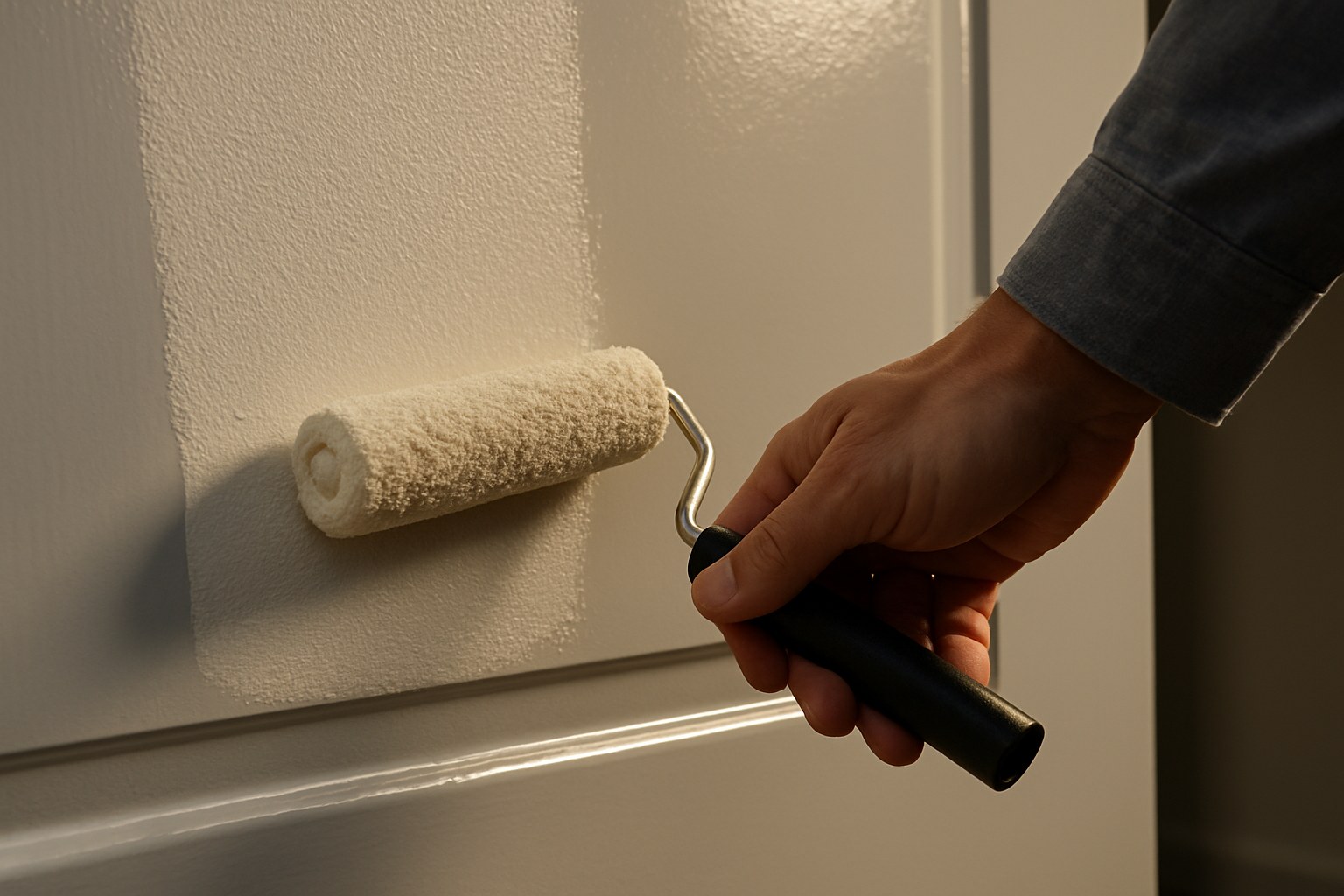
- Roll on the Primer: Apply one even coat of the bonding primer to the entire wall.
- Let it Cure: Allow the primer to dry completely according to the manufacturer’s instructions. Don’t rush this step!
- Apply Your Topcoat: Once the primer is dry, you can proceed with applying two coats of your latex paint. The bleed-through should now be completely sealed away.
Scenario 3: You Have Stubborn Stains
For distinct stains from water, smoke, or markers, a standard primer won't cut it. You need to bring out the big guns: a stain-blocking primer.
Guide: Spot Prime Stains and Repaint
- Working Time: 45 minutes
- Total Time: 3–5 hours (including drying)
- Identify the Spots: Locate all the areas where stains are bleeding through.
- Choose Your Primer: Get a high-performance stain-blocking primer. These are often shellac-based or oil-based and are excellent at sealing away even the toughest stains. They often come in spray cans for easy application.
- Apply the Primer: Using a brush or the spray can, apply the primer directly over each stain. Extend the primer an inch or two beyond the edges of the stain to ensure it's fully encapsulated.
- Let it Dry: Allow the primer to dry completely. This is very important, as a wet primer can't block anything.
- Paint a Full Topcoat: To avoid a patchy look, apply a fresh coat of your new paint over the entire wall. This will ensure the finish is even and uniform. You may need a second coat for a perfect blend.
Scenario 4: The Old Color is Just Faintly Visible
If you prepped correctly, you're not dealing with oil paint, and there are no specific stains, you might just need more coverage. This is especially true when painting over a dark color.
Guide: Apply Additional Paint Coats
- Working Time: 30 minutes per coat
- Total Time: 4 hours (including drying)
- Stir Your Paint: Make sure your paint is thoroughly mixed.
- Apply Another Coat: Using a quality roller, apply another thin, even coat of paint to the entire wall. Overlap your strokes and maintain a wet edge to avoid lap marks.
- Check in Good Light: Let the coat dry fully, then inspect the wall under bright, even lighting. If the bleed-through is gone, you’re done! If it’s still faintly there, a third coat should do the trick.
How Much Does It Cost to Fix Paint Bleed-Through?
- DIY Cost: Fixing this yourself is very budget-friendly. Your main cost will be a can of the correct primer (bonding or stain-blocking), which typically runs from $15 to $40.
- Hiring a Professional: If the job feels too big or you'd rather have an expert handle it, hiring a painter is a great option. According to HomeGuide, professional painters charge between $2 to $6 per square foot or $20 to $70 per hour. Fixing a single wall would likely be a small project, potentially falling under a minimum service charge of $250 to $500.

Don’t Let Paint Bleed-Through Win
Seeing an old color or stain reappear on a freshly painted wall is disheartening, but it’s a problem with a clear solution. By taking the time to diagnose the root cause—whether it’s poor prep, an oil-based legacy, or a stubborn stain—you can apply the right fix and achieve the beautiful, uniform finish you envisioned.
Feeling stuck or need a little more guidance? Home maintenance is a journey, and you don’t have to do it alone. Download the Casa app today for step-by-step DIY guides for hundreds of home repairs. And if you decide you’d rather leave it to a pro, Casa can connect you with trusted, vetted painters in your area. Your perfect wall is just a few steps away