The good news is that you’re not alone, and this is a manageable issue. Those sounds are your first clue, and by following a calm, methodical process, you can identify the source, understand the extent of the problem, and decide on the best course of action. This guide will walk you through how to investigate those noises safely and what to do next.
What Could Be Making Those Noises?
Before you start investigating, it helps to know what you might be listening for. The most common uninvited guests in a home include:
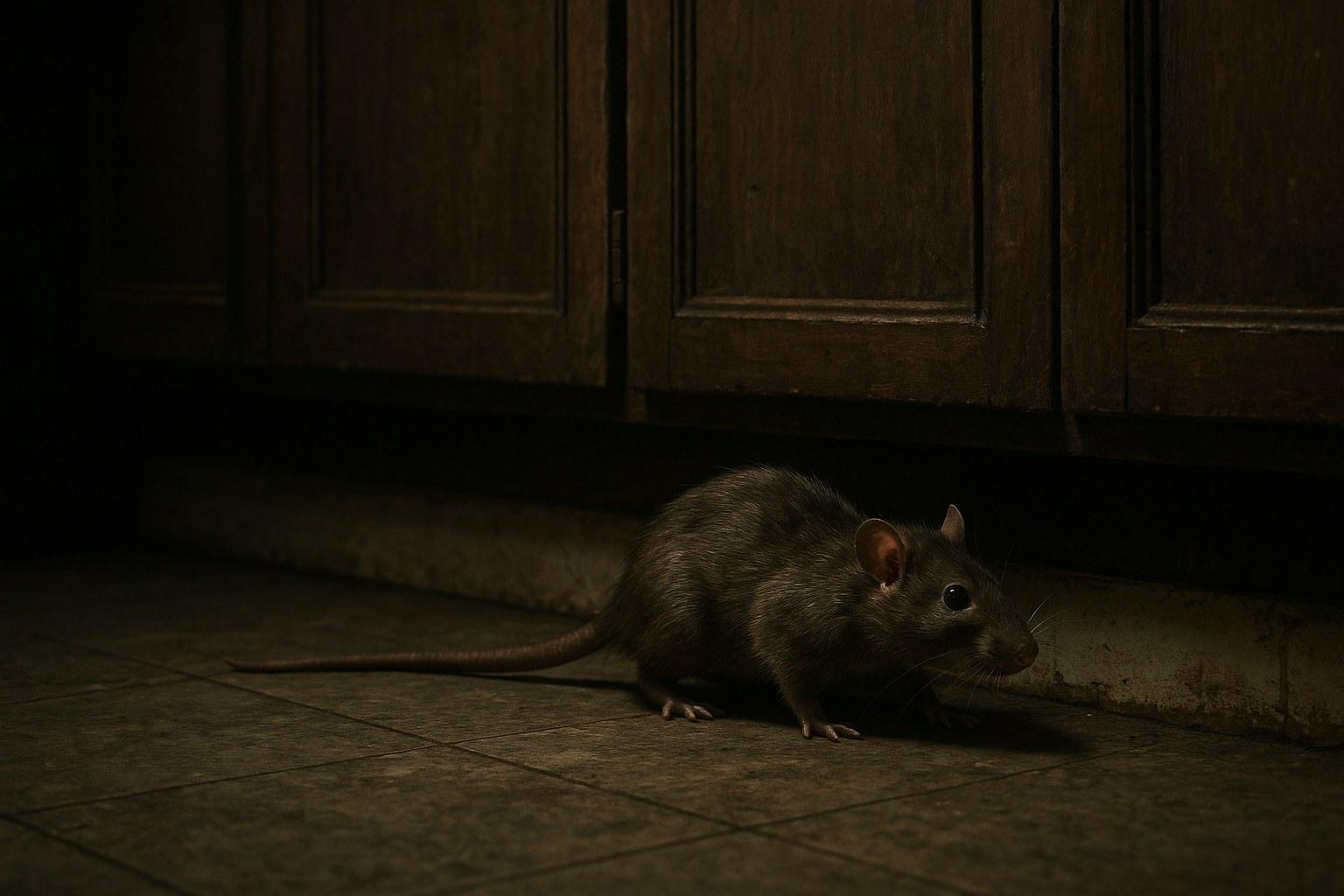
- Mice and Rats: Often active at night, you might hear light scratching, squeaking, and fast scurrying sounds.
- Squirrels: Typically more active in the early morning and evening. They make scratching noises, but also louder sounds like rolling nuts or gnawing on wood.
- Raccoons or Opossums: These larger animals create heavier sounds. You might hear thumping, slow dragging, or vocalizations that sound like chattering or hissing.
- Insects: Carpenter ants or termites can sometimes be heard creating a faint, dry rustling or clicking sound within walls.
Step 1: Pinpoint the Location
The first step is to figure out exactly where the noise is coming from. Wait until the sounds are active, then turn off any TVs, fans, or other appliances to make your house as quiet as possible.
Walk slowly through your home and listen carefully. Try to narrow the location down to a specific area: the attic above the bedroom, one particular wall in the living room, or the crawl space below the kitchen. This will focus your inspection efforts.
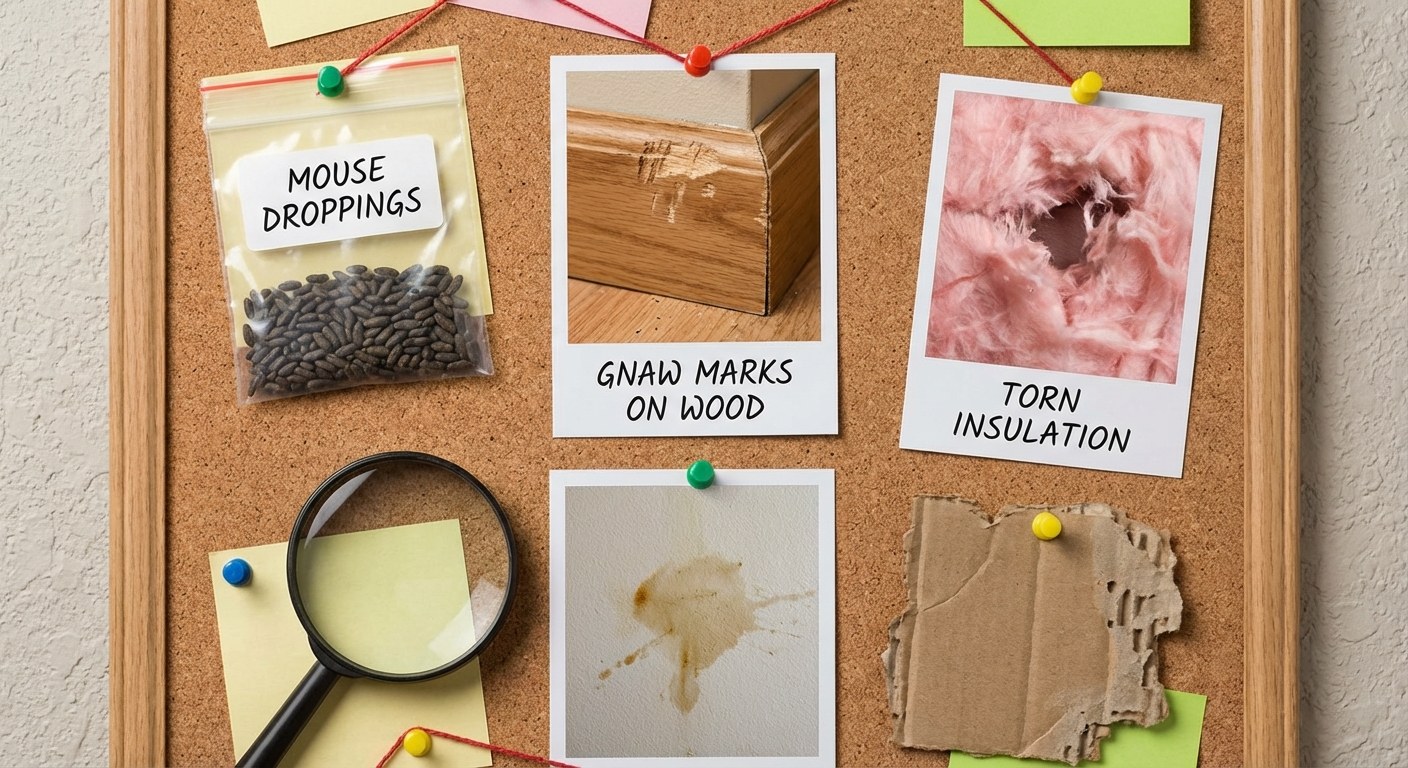
Step 2: Look for Physical Clues
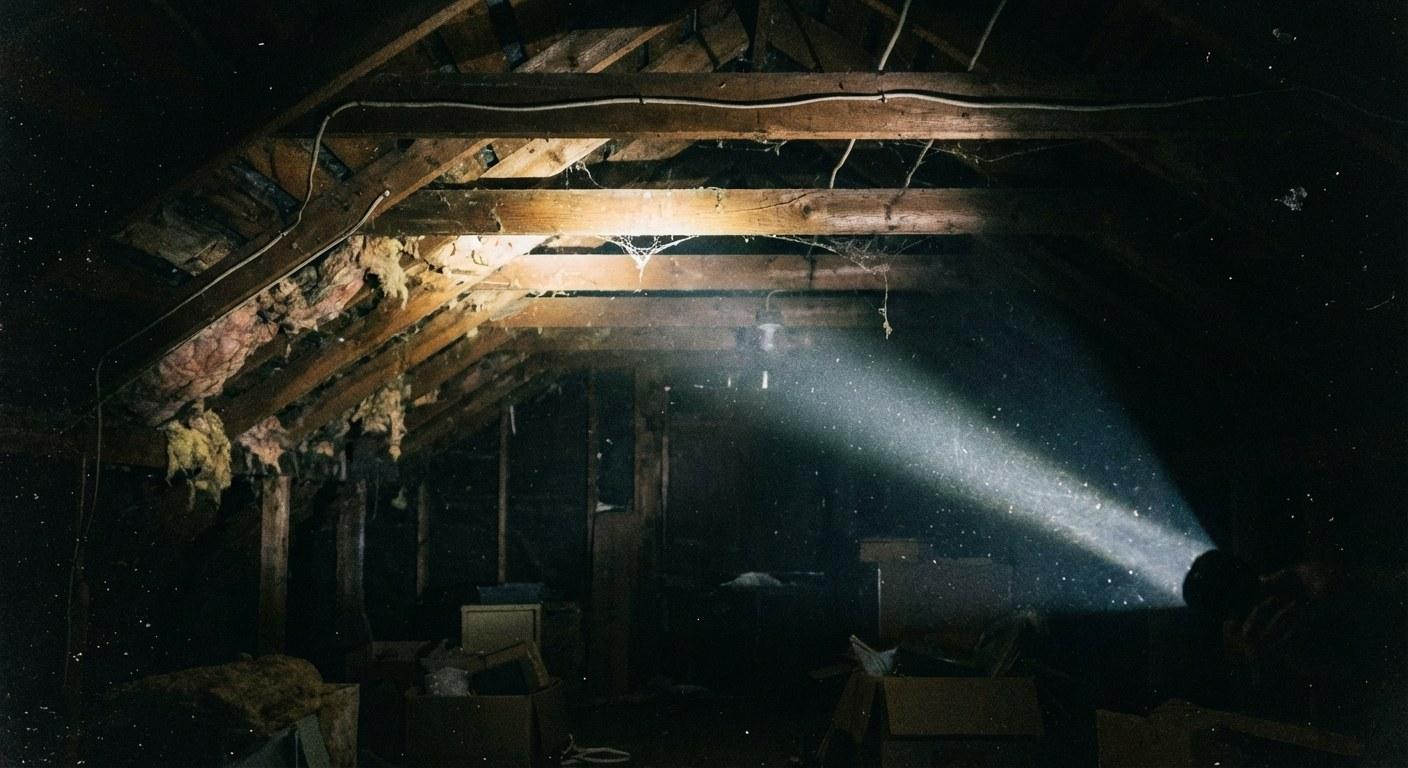
Once you have a general location, it’s time to look for more evidence. Safety first: when inspecting attics, basements, or crawl spaces, always wear work gloves, a dust mask (an N95 is a good choice), and use a bright flashlight.
In the Attic:
- Look for disturbed or matted-down insulation.
- Scan for droppings. Small, pellet-like droppings often point to rodents, while larger, irregular droppings suggest squirrels or raccoons.
- Check for nests made of shredded insulation, paper, or fabric.
- Examine wooden beams and wiring for any signs of gnawing or chewing. Be very cautious around electrical wires.
Inside Walls:
- This is trickier, but you can look for clues along the baseboards near the noisy area. Check for tiny droppings or small holes.
- A strong, musty, or ammonia-like smell can also indicate a pest presence.
In a Basement or Crawl Space:
- Shine your flashlight along the top of the foundation walls and between floor joists. Look for droppings, nests, and chewed wood or pipes.
- Check for tunnels or pathways through insulation.
As you inspect, keeping a log of what you find and where can be helpful. The Casa app is a simple way to keep notes and photos organized in one place for your home.
Step 3: Identify the Entry Point
Pests need a way in. Your next step is to do a thorough walk-around of your home’s exterior during the day. Look for:
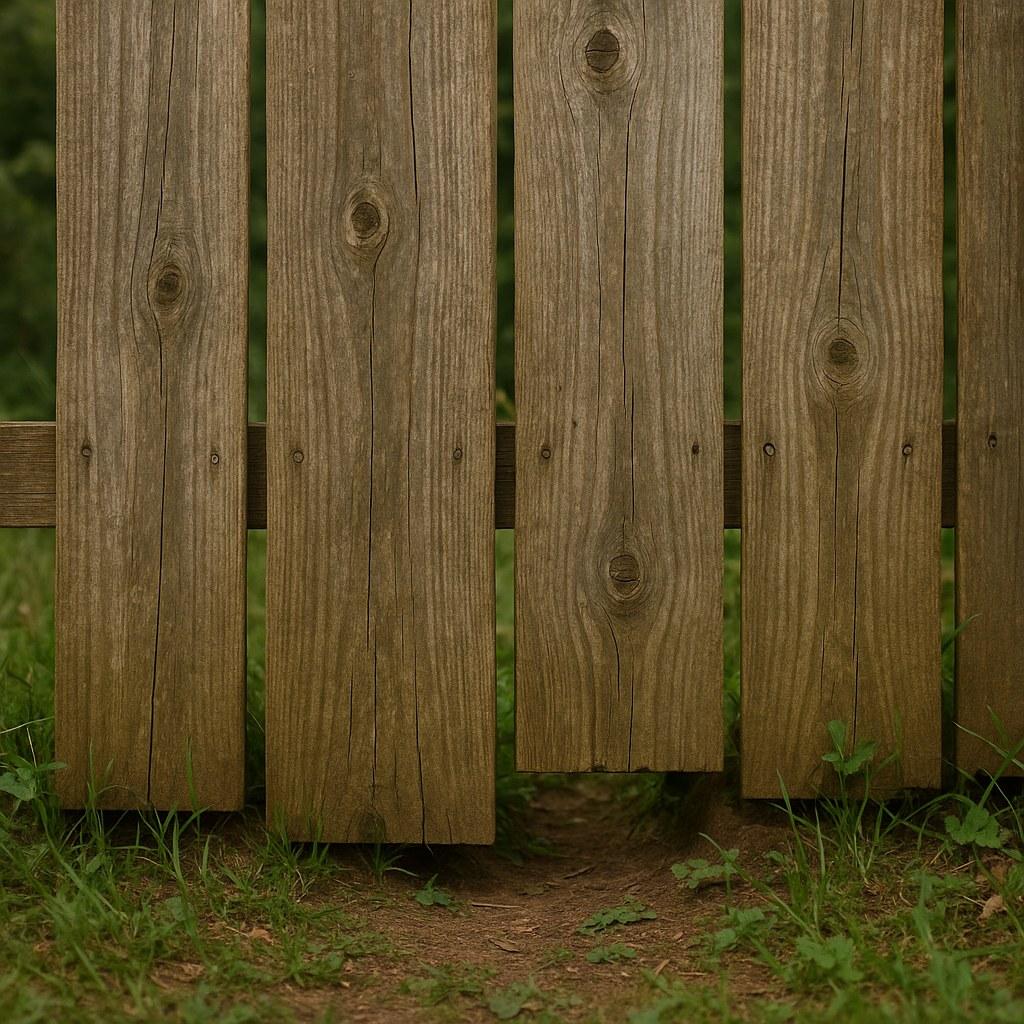
- Gaps and Cracks: Check the foundation, siding, and where utility lines (pipes, cables) enter the house. A mouse can squeeze through a hole the size of a dime.
- Roof and Eaves: Look for damaged soffits, fascia, or vents. Check for gaps along the roofline or loose shingles.
- Vents: Ensure that dryer vents, attic vents, and crawl space vents are covered with secure screens.
Finding these potential entry points is crucial not just for solving the current problem, but for preventing future ones.
What to Do Next: Your Action Plan
Based on what you’ve found, you can decide on the next steps. We’ll separate this into what’s generally safe to handle yourself and when it’s time to call a professional.
Safe to Try Yourself
If your inspection points strongly to mice or rats, setting traps is often an effective first step.
- Use snap traps. They are effective and generally considered more humane than glue traps.
- Bait them with a small amount of peanut butter.
- Place them perpendicular to the walls in areas where you found droppings, with the bait side facing the wall. Rodents tend to run along baseboards.
- Check the traps daily. Wear gloves when handling them and dispose of any caught rodents promptly in a sealed bag in your outdoor trash.
If you suspect insects like ants or roaches are the cause, using gel bait can be effective. Apply it in small dots along baseboards or in cracks where you've seen activity.
When to Stop and Call a Professional
It is almost always best to call a professional for wildlife larger than a common mouse or rat.
Call a licensed professional if:
- You suspect squirrels, raccoons, or opossums. Trapping and relocating wildlife is complex. There are often local laws involved, and these animals can become aggressive or carry diseases. It is safer for you and more humane for the animal to have an expert handle it.
- You are unsure what kind of animal it is. A pro can correctly identify the pest and determine the most effective and safe removal strategy.
- The problem is in a hard-to-reach place, like deep inside a wall cavity.
- Your DIY trapping efforts for rodents are not working after several days. This could mean you have a larger infestation than you realized.
- You see signs of chewed electrical wiring. This is a serious fire hazard that needs to be addressed immediately by an electrician after the pest issue is resolved.
Look for a "Pest Control" professional for insects and rodents, and a "Wildlife Control" specialist for larger animals.
The Final Step: Seal All Entry Points
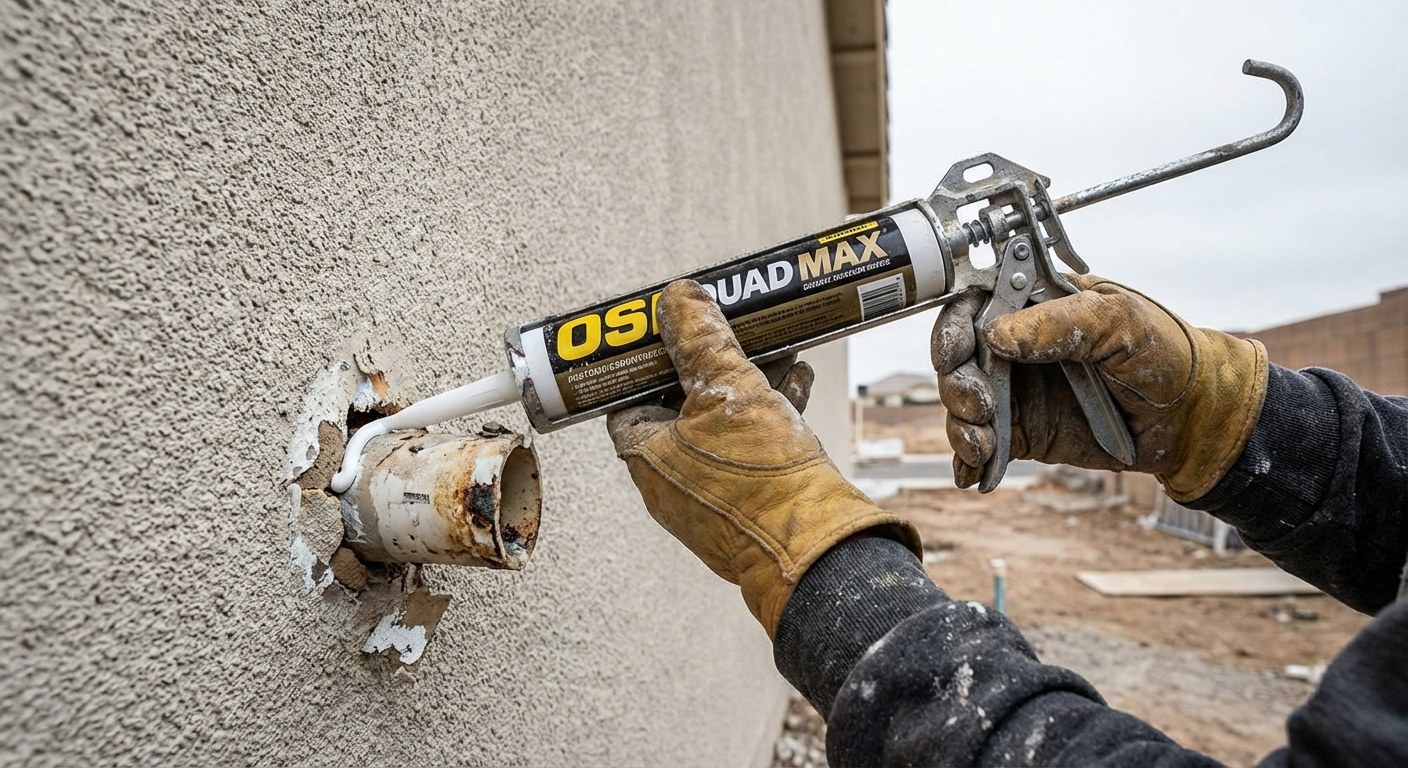
Once the pests have been removed (either by you or a professional), the final, critical step is to seal up all the entry points you identified. If you don't, new pests will simply move in.
- For gaps smaller than a half-inch, use exterior-grade silicone caulk.
- For larger holes, use steel wool (rodents won't chew through it) packed in tightly, and then seal with caulk or expanding foam.
- Use 1/4-inch hardware cloth (a type of sturdy wire mesh) to secure vents or cover larger openings.
Typical Time and Cost
- DIY Rodent Control: Expect to spend $20 - $60 on traps, bait, gloves, and sealing materials. The process can take a few days to a week.
- Professional Pest Control: For a rodent infestation, a professional service might range from $200 - $600. This often includes an inspection, trap setting, removal, and recommendations for sealing entry points.
- Professional Wildlife Removal: For larger animals like raccoons or squirrels, expect costs to start around $300 and go up depending on the complexity of the removal and repair work needed.
You Can Solve This
Hearing noises in your home can be stressful, but by taking these measured steps, you can move from uncertainty to a clear plan. Start by identifying the location and looking for clues. From there, you can make a confident decision about whether to tackle it yourself or bring in a professional for support.
Once the issue is resolved, remember that prevention is the best long-term strategy. Keeping track of regular home maintenance, like checking your exterior seals, is key.
With the Casa app, you can set reminders and follow simple guides to keep your home secure and pest-free. Download it today to get started.
Related Reading