You walk into your kitchen and there it is—that nagging little gap where two pieces of your countertop are supposed to meet. A loose or separated countertop seam is more than just a cosmetic flaw; it’s an open invitation for crumbs, spills, and bacteria to settle in, potentially leading to water damage in the substrate below. That clean, seamless look you once had is now an unsightly and unhygienic problem.
The good news is that you don't have to live with it. Depending on your countertop material and the severity of the separation, fixing a loose seam can be a manageable DIY project. With the right tools and a bit of patience, you can restore that smooth, continuous surface and protect your investment.
In this guide, we’ll walk you through everything you need to know, just like a friendly expert on the other end of the line. We'll start by helping you assess the problem and identify your countertop material, then provide detailed, step-by-step instructions for common repairs. We'll also be honest about when a job is too big to tackle yourself and it's time to call in a pro.
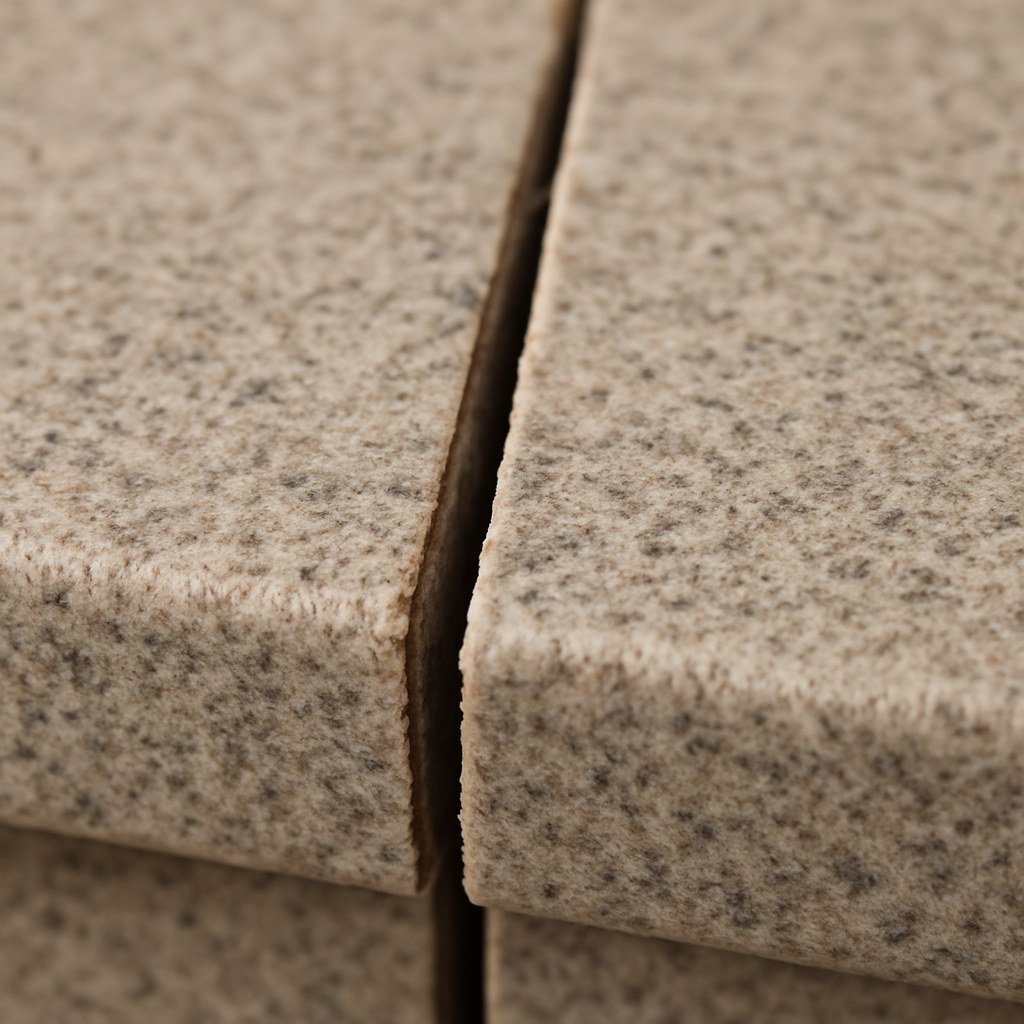
Why Do Countertop Seams Separate in the First Place?
Before we dive into the fix, it helps to understand what causes seams to fail. This isn't just trivia; knowing the root cause can help you prevent it from happening again.
- House Settling: All homes shift and settle over time. These subtle movements can put stress on rigid structures like countertops, causing seams to pull apart.
- Improper Installation: The original installation is often the culprit. The seam might not have been joined with enough adhesive, or the cabinets below might not be perfectly level, creating uneven support. Missing or loose support brackets underneath are a common issue.
- Moisture Damage: This is a big one, especially for laminate countertops. If water is allowed to seep into the seam, it can cause the particleboard substrate to swell, forcing the seam apart from below.
- Heavy Weight or Impact: Placing extremely heavy objects (like that new stand mixer) directly on or near a seam can cause stress and lead to separation over time. A sudden, sharp impact can also crack the adhesive bond.
- Heat Damage: Setting a hot pan directly on a seam can weaken the epoxy or contact cement, causing it to fail.
Now that you have a better idea of what might be going on, let's get ready to fix it.
Step 1: Assess the Seam and Identify Your Countertop
Your first move is to play detective. The right repair method depends entirely on what your countertop is made of and how bad the gap is. Let's get a clear picture of the situation.
- Clear and Clean: Remove everything from the countertop around the seam. Give the area a good wipe-down with a damp cloth and mild soap to get rid of any grime or debris. You need a perfectly clear view of the problem.
- Identify the Material:
- Laminate: Look closely at the surface. Do you see a printed pattern, like a wood-grain or stone design? Laminate countertops consist of a thin decorative layer bonded to a particleboard core. The pattern won't go all the way through the material.
- Solid Surface: Materials like Corian are uniform in color and pattern all the way through. There's no separate top layer. It often has a softer, more matte finish compared to stone.
- Granite or Quartz (Stone): These materials have a distinct, natural look with flecks, crystals, and depth. You’ll see the stone pattern throughout the thickness of the slab.
- Measure the Damage:
- Lay a straightedge (like a level or a ruler) across the seam. Is one side higher than the other? A height difference, or "lippage," indicates a bigger problem, likely with the cabinet support.
- Grab a flashlight and shine it along the seam to see how far the separation runs. Is it just a few inches or the entire depth of the counter?
- Use a credit card as a feeler gauge. Can you slide it into the gap? If it fits easily, the gap is significant. If not, it's a hairline crack.
- Check Underneath: Look under the counter directly below the seam. You should see metal brackets or wood blocks pulling the two pieces together. Are they there? Are they tight? If they're loose or missing, you've likely found a major contributor to the problem.
Once you’ve identified your countertop material and the extent of the damage, you can choose the right path forward.
How to Fix a Loose Laminate Countertop Seam
If you have a minor separation in a laminate countertop (less than 12 inches long and narrower than a credit card), you can often re-glue it yourself with contact cement.
Difficulty: Moderate
Total Time: 1 day (most of this is curing time)
You'll Need:
- Safety glasses
- Thin wood shims
- Utility knife
- Painter's tape
- Contact cement (designed for laminates)
- Small brush
- J-roller (or a rolling pin in a pinch)
- Heavy books
Step-by-Step Instructions:
- Safety First: Put on your safety glasses and open some windows. Contact cement has strong fumes, so good ventilation is essential.
- Clean and Prep: Clean both sides of the open seam thoroughly with a cloth and mild dish soap, then dry it completely. Any lingering grease or dust will prevent a strong bond.
- Open the Seam: Gently slide two thin wood shims into the seam. This will hold it open just enough for you to work.
- Clear Out Old Adhesive: Carefully use a utility knife to scrape away any old, crumbly adhesive from the inside edges of the laminate. Be gentle to avoid damaging the particleboard underneath.
- Mask the Area: Apply painter's tape along the top surface on both sides of the seam. This is a crucial step to prevent messy adhesive from getting all over your countertop finish.
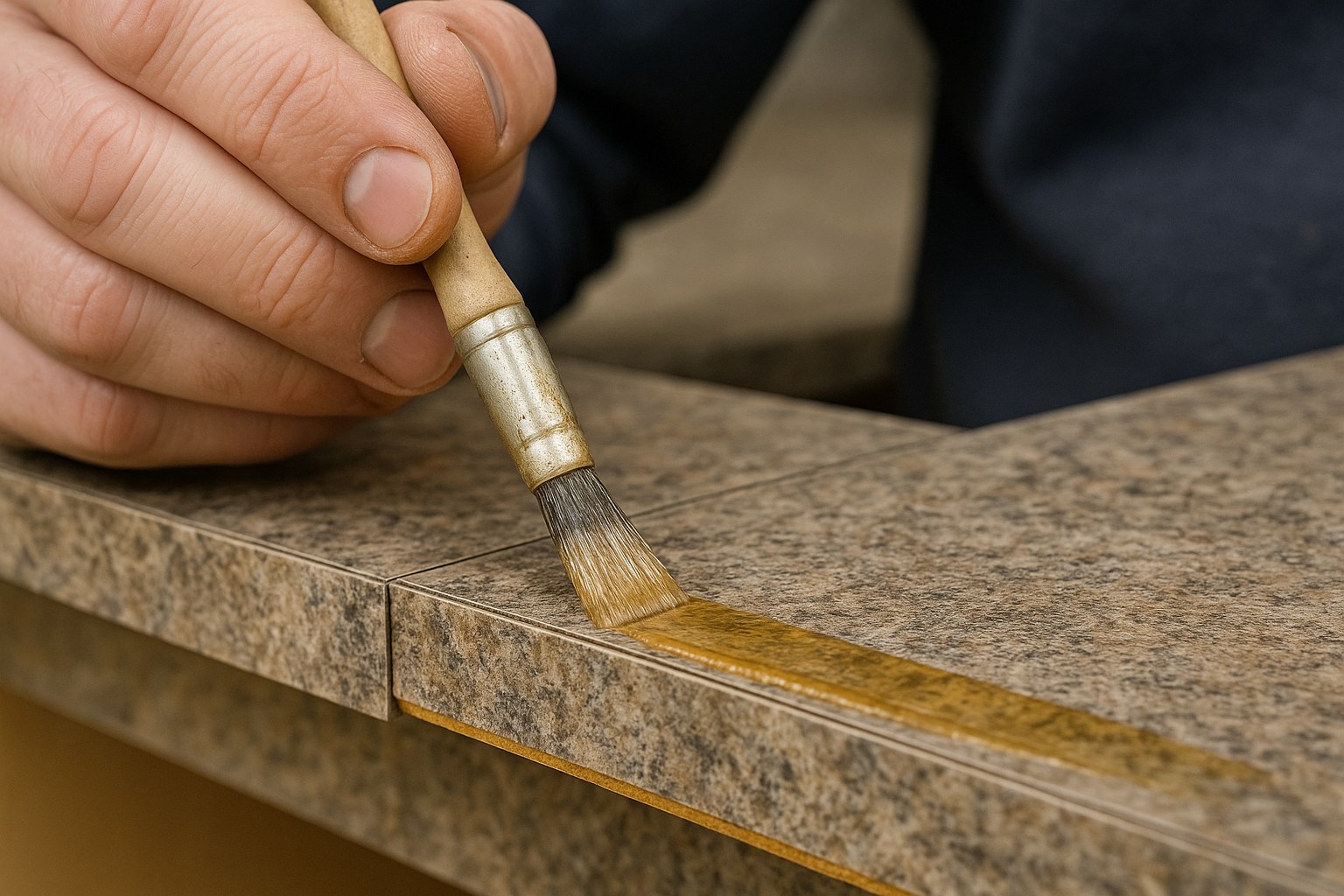
- Apply Contact Cement: Using a small brush, apply a thin, even coat of contact cement to both exposed edges inside the seam. Don't glop it on; a thin layer is all you need.
- Wait for it to Get Tacky: This is the most important part of using contact cement. You must wait about 15 minutes, or whatever the manufacturer recommends. The adhesive should feel tacky to the touch but not wet or stringy.
- Press the Seam Together: Carefully pull out the wood shims. Firmly press the two sides of the seam together with your hands, making sure they are perfectly aligned. You only get one shot with contact cement, so make it count!
- Apply Pressure: Use a j-roller to roll back and forth along the top of the seam with firm pressure for at least 2 minutes. This ensures the two surfaces make full, permanent contact.
- Remove the Tape: Pull off the painter's tape right away, while the adhesive is still relatively fresh.
- Weigh It Down: Place several heavy books or other weights directly over the seam and leave them for at least an hour.
- Clean Up and Cure: Wipe away any excess adhesive that may have squeezed out with a damp cloth. Let the seam cure for a full 24 hours before using the counter.
After 24 hours, the seam should be tight and flush. If it has held, congratulations—you've successfully completed the repair!
How to Fix a Minor Solid Surface Countertop Seam
For solid surface countertops with a hairline gap (less than 1/32 inch) and no sagging, a more advanced DIY repair is possible using a specialized epoxy kit. This is a more challenging repair, so proceed with confidence.
Difficulty: Hard
Total Time: 4 hours (includes cure time)
You'll Need:
- Safety glasses
- Drop cloth
- Isopropyl alcohol
- Sandpaper (220, 320, and 400-grit)
- Shop vacuum
- Painter's tape
- Color-matched two-part epoxy kit for solid surfaces
- Plastic wrap
- Wood blocks and a bar clamp
Step-by-Step Instructions:
- Protect Your Space: Put on your safety glasses and lay a drop cloth to protect your cabinets and floor.
- Deep Clean the Seam: Thoroughly clean the seam and surrounding area with a cloth soaked in isopropyl alcohol to remove any oils or residues. Let it air dry completely.
- Prep for Bonding: Lightly sand the edges inside the seam with 220-grit sandpaper. This scuffs up the surface, creating a better grip for the new epoxy. Use a shop vacuum to remove every speck of sanding dust.
- Create a Channel: Mask both sides of the seam with painter's tape, leaving a narrow 1/8-inch channel directly over the gap.
- Mix and Apply Epoxy: Carefully mix the two-part epoxy according to the kit's instructions. Load it into the applicator syringe and slowly inject it into the seam. Fill the seam until a small bead of epoxy overflows the top.
- Remove Tape: Immediately peel off the painter's tape, pulling it away from the wet adhesive.
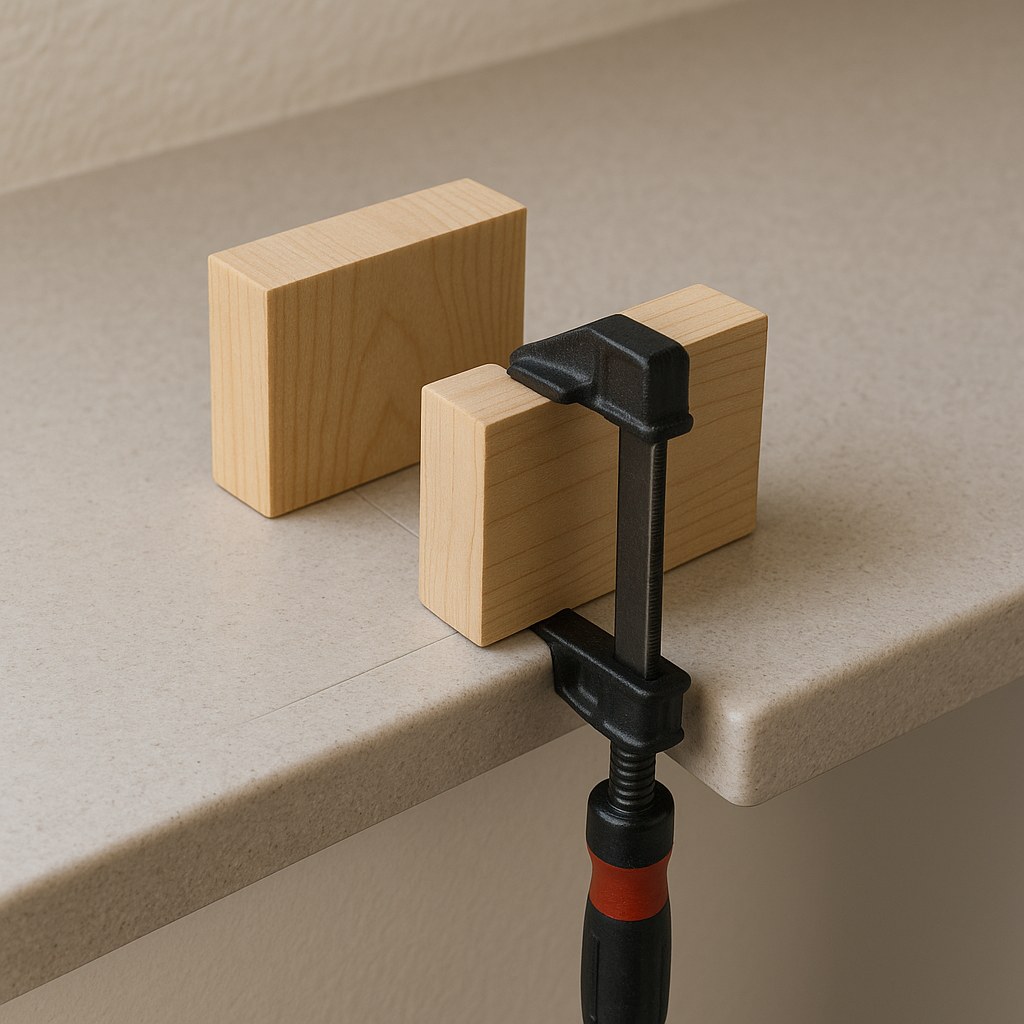
- Clamp it Down: Cover the wet seam with a piece of plastic wrap. Place two wood blocks on either side of the seam and use a bar clamp to apply firm, even pressure, squeezing the two pieces of countertop together.
- Let It Cure: Allow the epoxy to cure for at least one hour, or as long as the instructions specify.
- Level the Seam: Once cured, remove the clamps and plastic. The epoxy will be raised. Use 220-grit sandpaper on a sanding block to carefully sand the hardened epoxy flush with the countertop surface.
- Restore the Finish: The key to an invisible repair is progressive sanding. After leveling with 220-grit, move to 320-grit sandpaper, then finish with 400-grit (or even finer) to restore the countertop's original sheen.
- Final Clean: Wipe the entire area with a damp cloth to remove all sanding dust, and your repair is complete!
When to Skip the DIY and Call a Professional
While it’s satisfying to fix things yourself, some jobs require an expert touch. Trying to fix a major issue without the right tools or experience can make the problem worse. It's time to call a professional if:
- You Have Granite or Quartz: Stone countertop seams are not a DIY project. They are joined with specialized, color-matched epoxies and require heavy-duty clamps and diamond polishing pads to create a nearly invisible, permanent bond.
- The Gap is Large or Uneven: If your laminate seam is wider than a credit card or if one side is higher than the other, the underlying particleboard is likely swollen from water damage or the cabinets have shifted. This requires more than a simple re-glue.
- Your Solid Surface Seam is Sagging: Any sagging or significant gaps in a solid surface counter require a professional solid-surface fabricator to potentially reset, re-level, and re-bond the pieces.
- You're Not Sure: If you're uncertain about your countertop material or feel the job is beyond your skill level, it's always smarter (and often cheaper in the long run) to get a professional opinion.
According to Forbes Home, the average cost for a professional countertop repair is around $377, though it can range from $150 to over $1,500 depending on the material and the complexity of the job. Source.
Final Thoughts: Your Home, Maintained
Fixing a loose countertop seam can instantly improve the look and hygiene of your kitchen. By correctly identifying your countertop and the severity of the problem, you can confidently decide whether to tackle it yourself or bring in an expert.
Feeling a little hesitant? That's where Casa comes in. Home maintenance can be daunting, but you don’t have to do it alone. Download the Casa app today! Our app provides easy-to-follow guides for hundreds of home repairs, helps you diagnose problems, and can connect you with trusted, vetted professionals in your area for the jobs you'd rather leave to an expert. Take the guesswork out of homeownership and keep your house in perfect shape with Casa.