How To Fix A Washing Machine That Wont Fill With Water
Loading content…
Loading content…



You’ve loaded up your laundry, added the detergent, turned the dial, and… nothing. Just a faint hum, but no sound of rushing water filling the drum. It’s a frustrating moment we’ve all faced. A washing machine that won’t fill with water can throw your entire routine into disarray.
But here’s the good news: this is one of the most common appliance issues, and more often than not, it's something you can fix yourself in under an hour with just a few basic tools. Before you pick up the phone to schedule an expensive service call, let’s walk through the troubleshooting steps together.
As your friendly home maintenance experts at Casa, we’re here to guide you through the process, just like we would over the phone. We'll help you diagnose the problem, from simple oversights to minor clogs, and get your washer running again in no time.
Before we dive into the fixes, it helps to understand what could be going wrong. When your washer isn't getting hot or cold water, the culprit is almost always one of these four things:
We’ll tackle these possibilities one by one, starting with the easiest and most common fixes.
Ready to get your hands a little dirty? Let's get that washer working again. We'll start outside the machine and work our way in.
First things first, let's make sure the problem is actually with your washing machine. You don't want to pull the appliance out from the wall only to discover the water to your whole house is turned off.
If you find that other faucets aren't working or the pressure is very low, the issue is with your home's plumbing, not the appliance. In this case, you’ll want to check your main water shut-off valve to ensure it's fully open. If it is, and you still have no water, it might be time to contact your local water utility for information about outages or call a licensed plumber to investigate a bigger issue.
If all the other faucets are working perfectly, then we can confidently say the problem lies with the washer or its direct connections. Let's move on.
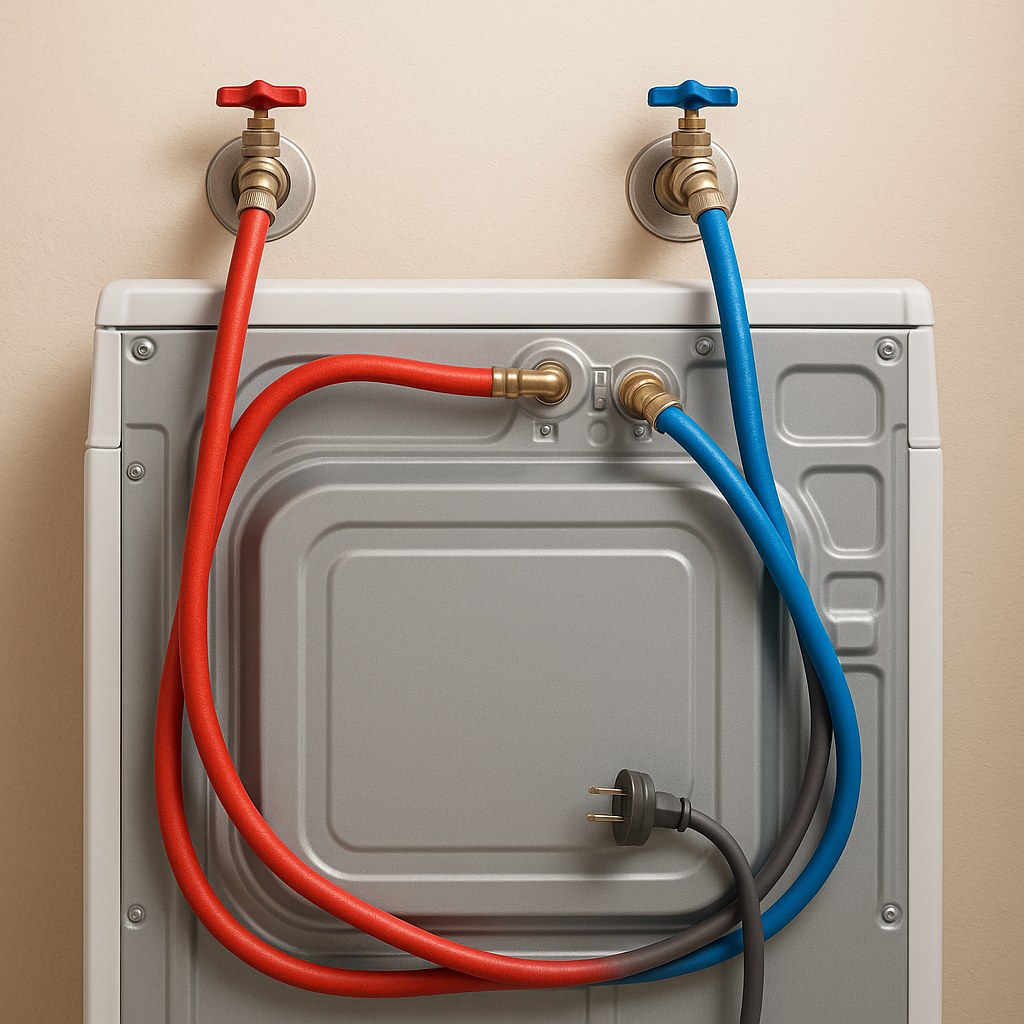
This is the most common reason for a washer to suddenly stop filling. The water supply valves are located on the wall behind your washing machine. There will be two of them: one for hot water (usually marked with a red handle) and one for cold water (usually blue).
Sometimes, these valves can get bumped or accidentally turned during cleaning. If you find one or both are closed, simply turn them to the fully open position. Once they're open, try starting a fill cycle on your washer. If you hear the satisfying sound of water filling the drum, congratulations! You’ve fixed it.
If the valves were already open or opening them didn't solve the problem, don't worry. We've got more to check.
The next link in the chain is the pair of rubber or braided steel hoses that connect the wall valves to your washing machine.
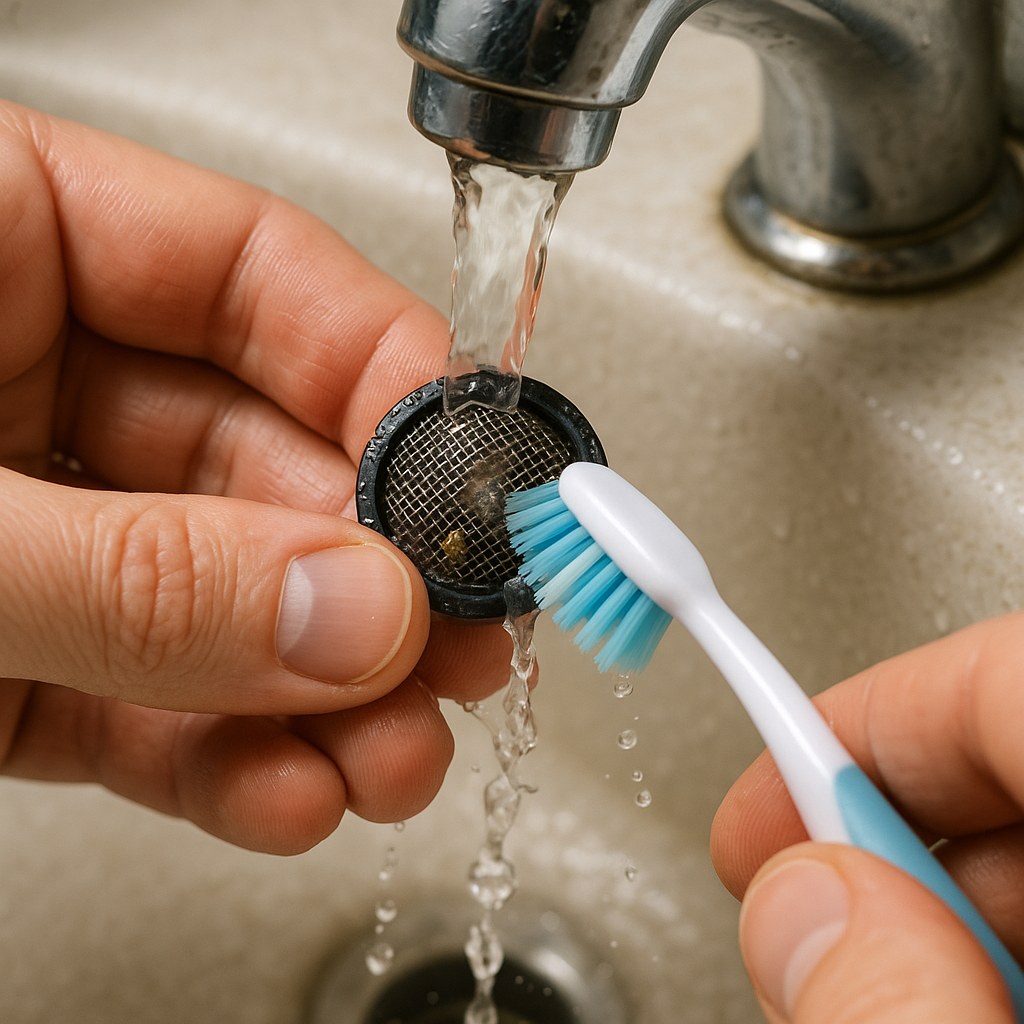
If the water supply is good and the hoses are clear, the next likely suspect is a clog. Inside the water inlet ports on the back of your washing machine are small mesh screens. Their job is to filter out sediment, rust, and minerals from the water before they can enter and damage the machine's internal valve. Over time, these screens can get completely blocked.
This is a slightly more involved step, but it's still very manageable.
Tools You'll Need:
Here’s how to clean them:
If your washer now fills with water, you've found and fixed the clog! This is a very common solution, especially for homes with older pipes or hard water.
If you've gone through all the steps above—you've confirmed your home has water, the valves are open, the hoses are clear, and the inlet screens are clean—and your washing machine still won't fill, the problem is likely internal.
The issue could be a faulty water inlet valve (the electronic component the screens protect), a bad lid switch, or a problem with the main control board. At this point, the repair becomes more complex and typically requires a professional.
The average cost to have an appliance repair technician fix a washing machine can range from $150 to $350, depending on the part that needs replacing. While it's an expense, it's often more cost-effective than replacing the entire machine.
Troubleshooting appliance issues can feel daunting, but with the right guidance, you can handle many common problems yourself. Fixing a non-filling washer is a great DIY project that can save you time and money.
For every home maintenance challenge, from simple fixes like this to major projects that require a pro, the Casa app is here to help. Download our app today to access more easy-to-follow DIY guides, get organized with maintenance reminders, and connect with a network of trusted, vetted professionals right in your area when you need one. Let Casa be your partner in keeping your home running smoothly.