How to Fix a Sagging Roof A Homeowners Guide
Loading content…
Loading content…



Seeing a dip, curve, or sag in your roofline can be alarming, and for good reason. It’s not just a cosmetic issue; it's a structural red flag indicating that your roof is under stress and may be at risk of failure. A sagging roof can lead to leaks, extensive water damage, and in the worst-case scenario, a partial or total collapse.
But don't panic. While this is a serious issue, understanding the potential causes and knowing how to perform a safe initial inspection can empower you to take the right next steps. A small sag might be a straightforward fix, while a larger one will certainly require professional help.
In this guide, we'll walk you through everything you need to know about a sagging roof—from identifying the cause to assessing the severity. Think of us as your expert on the line, helping you figure out what’s going on up there.
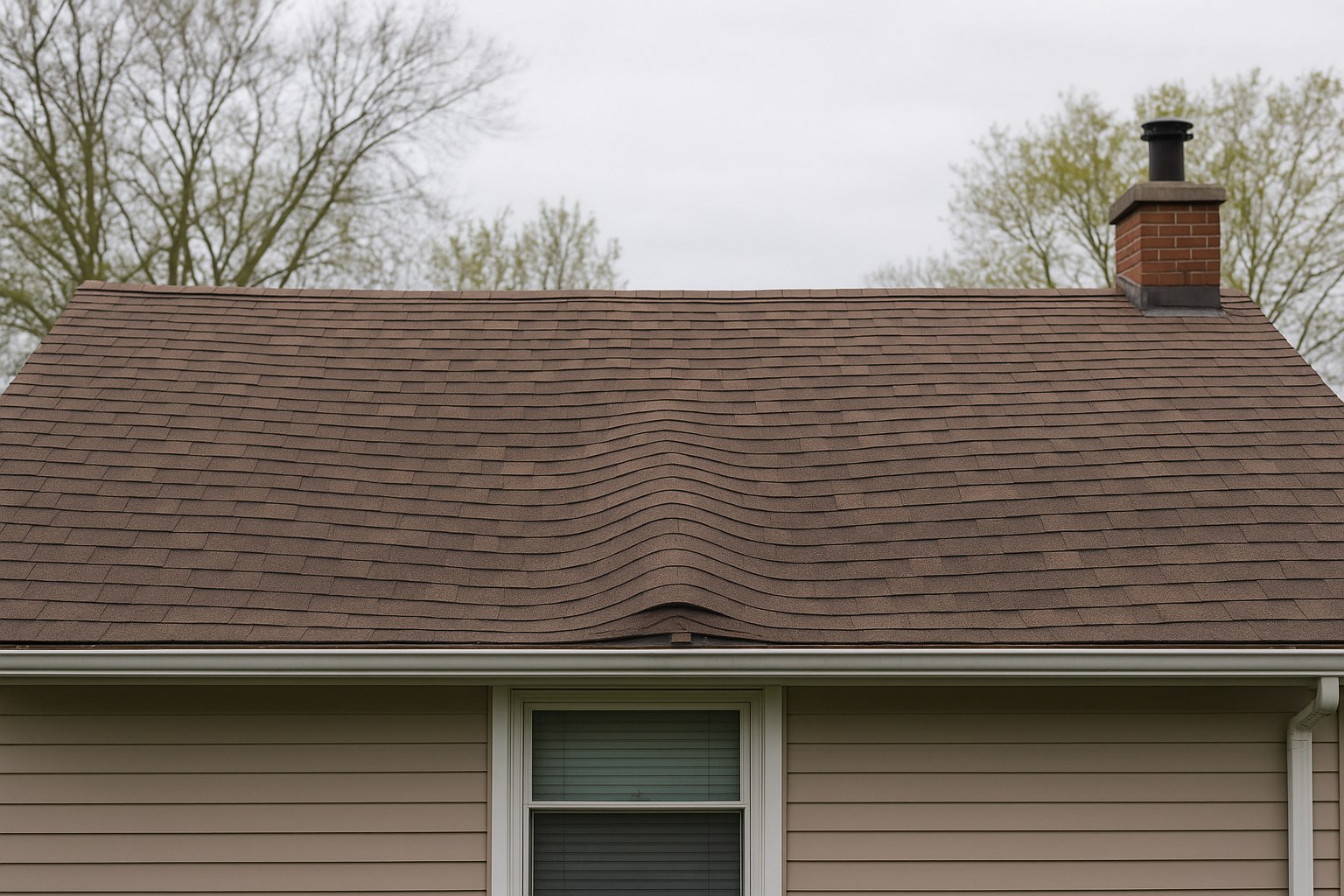
Before you can address the problem, it helps to understand what’s causing it. A roof is a complex system of beams, joists, and sheathing, and a sag is a symptom of a failure somewhere in that system. Here are the most common causes:
Your safety is the number one priority. Under no circumstances should you ever walk on a roof that you suspect is sagging. The structure could be compromised and unable to support your weight. All of these inspection steps can be performed safely from the ground, a ladder, or inside your attic.
Before getting up close, start by getting a big-picture view.
If you see a widespread sag across the ridgeline or a very large bowed area, this is a sign of a significant structural problem. Your inspection should stop here, and you should immediately call a licensed roofing contractor or a structural engineer.
If the sag seems confined to a small, specific area, you can proceed to the next step.
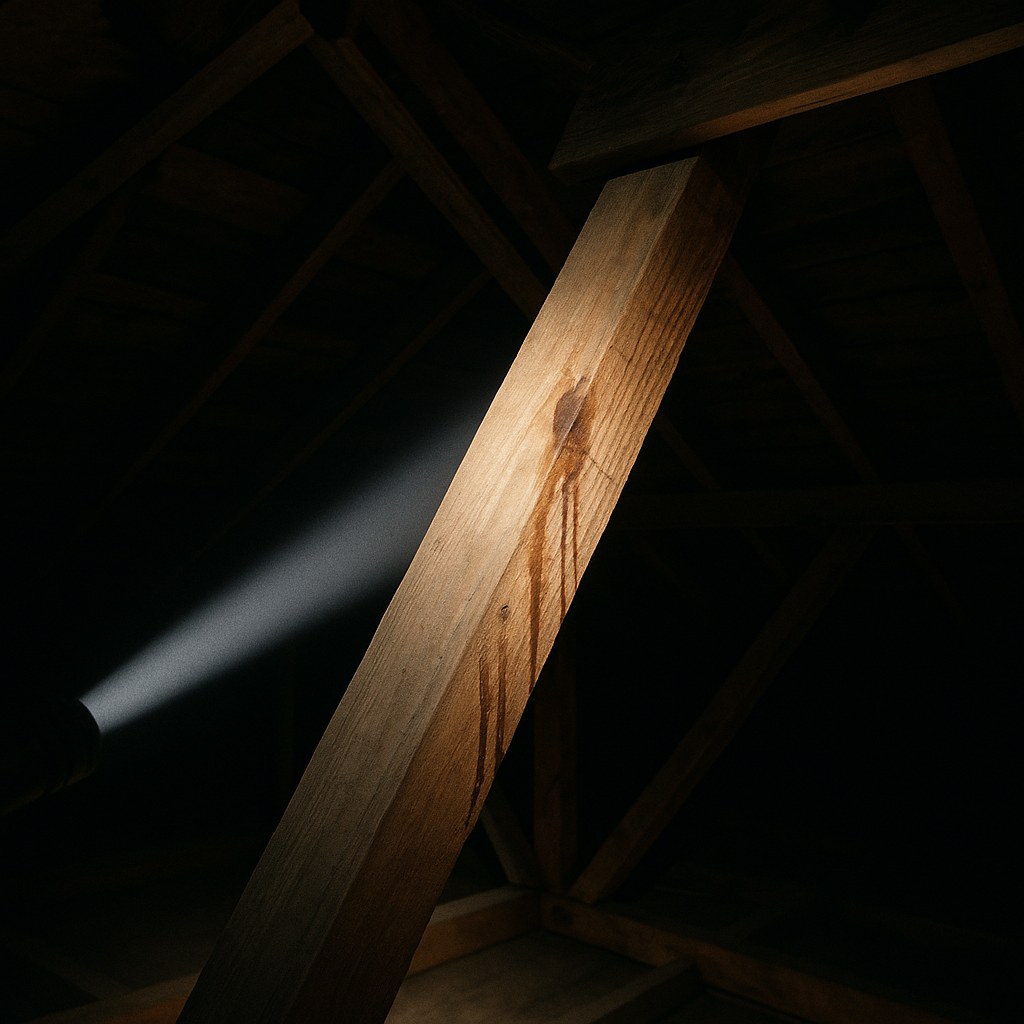
Your attic holds the most important clues. Grab a good flashlight and head up there. Be careful where you step—only walk on the solid joists or trusses, not on the drywall of the ceiling below.
Once you’re in the area directly beneath the sag, look for these signs:
If you find significant water damage or broken structural supports, the problem is beyond a simple DIY fix. This requires professional expertise to ensure the repair is done safely and correctly.
If the sag is small and you haven't found any broken rafters or signs of major water damage from the attic, the issue might be less severe. It could be related to the roof sheathing (the plywood layer under the shingles) or an external factor like snow load.
If there's no snow and no visible water damage, but the sheathing feels soft or bouncy when you press on it from the attic, it's likely weakened and needs replacement. This is a job best left for a professional roofer.
However, if you have a significant amount of snow on your roof, that could be the entire problem.
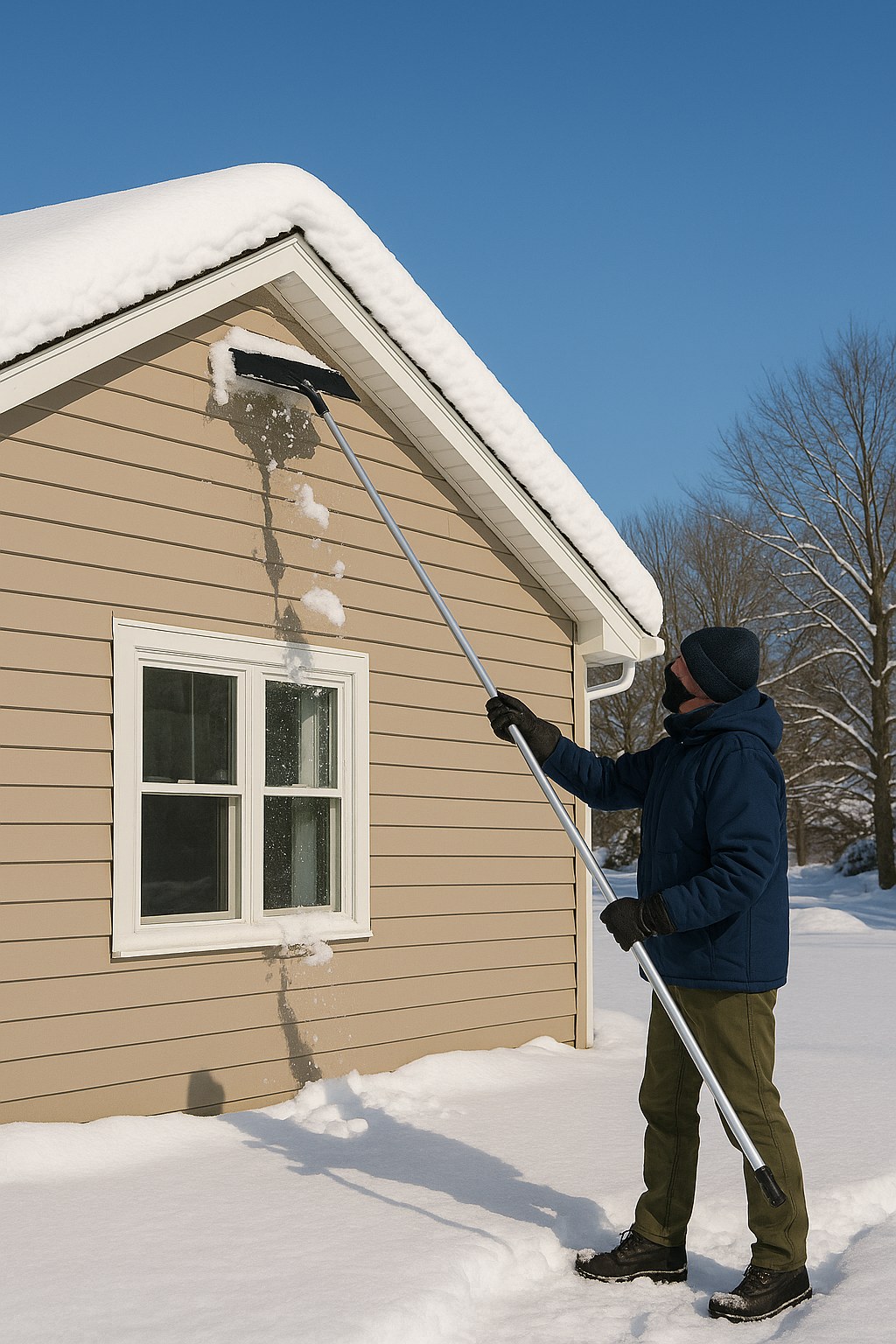
If your roof is sagging under a heavy blanket of snow (generally more than 6 inches), carefully removing that weight may solve the problem. The key word here is safely.
After you’ve removed a significant amount of snow, step back and look at the sag again. If it has noticeably improved or disappeared, you've likely found the culprit. However, if the sag remains, the snow load may have caused permanent structural damage that needs to be assessed by a professional.
To recap, a sagging roof is not a DIY project. Your inspection is about diagnosis, not repair. It's time to call a licensed roofing contractor immediately if you encounter any of the following:
A professional can properly diagnose the root cause, determine the extent of the damage, and propose a safe and effective solution, which could range from sistering new rafters alongside the old ones to a full replacement of the compromised section. The cost to repair a sagging roof can range from $1,000 to over $10,000, depending on the cause and complexity of the fix. Getting a professional assessment is the only way to know for sure.
A sagging roof is your home's cry for help. Ignoring it can turn a manageable repair into a catastrophic and incredibly expensive failure. By following these safe inspection steps, you can quickly determine the severity of the issue and make an informed decision.
For guidance on this and any other home maintenance challenge, download the Casa app. Our platform provides easy-to-follow guides for tasks you can handle yourself and connects you with a network of vetted, trusted professionals for the jobs you can't. Take the guesswork out of homeownership and let Casa help you protect your biggest investment.