That subtle wobble when you grab the handrail. The visible crack in one of the spindles. A loose or broken staircase baluster might seem like a small problem, but it compromises the safety and integrity of one of the most-used structures in your home. Don't worry, though—this is often a very manageable DIY project that you can tackle in an afternoon.
Think of me as your expert on the line, ready to walk you through it. Whether you're dealing with a cracked wooden baluster or a loose metal one, we’ll figure out the cause and get it fixed. A secure staircase is essential for the safety of your family and guests, and fixing it yourself can save you hundreds of dollars.
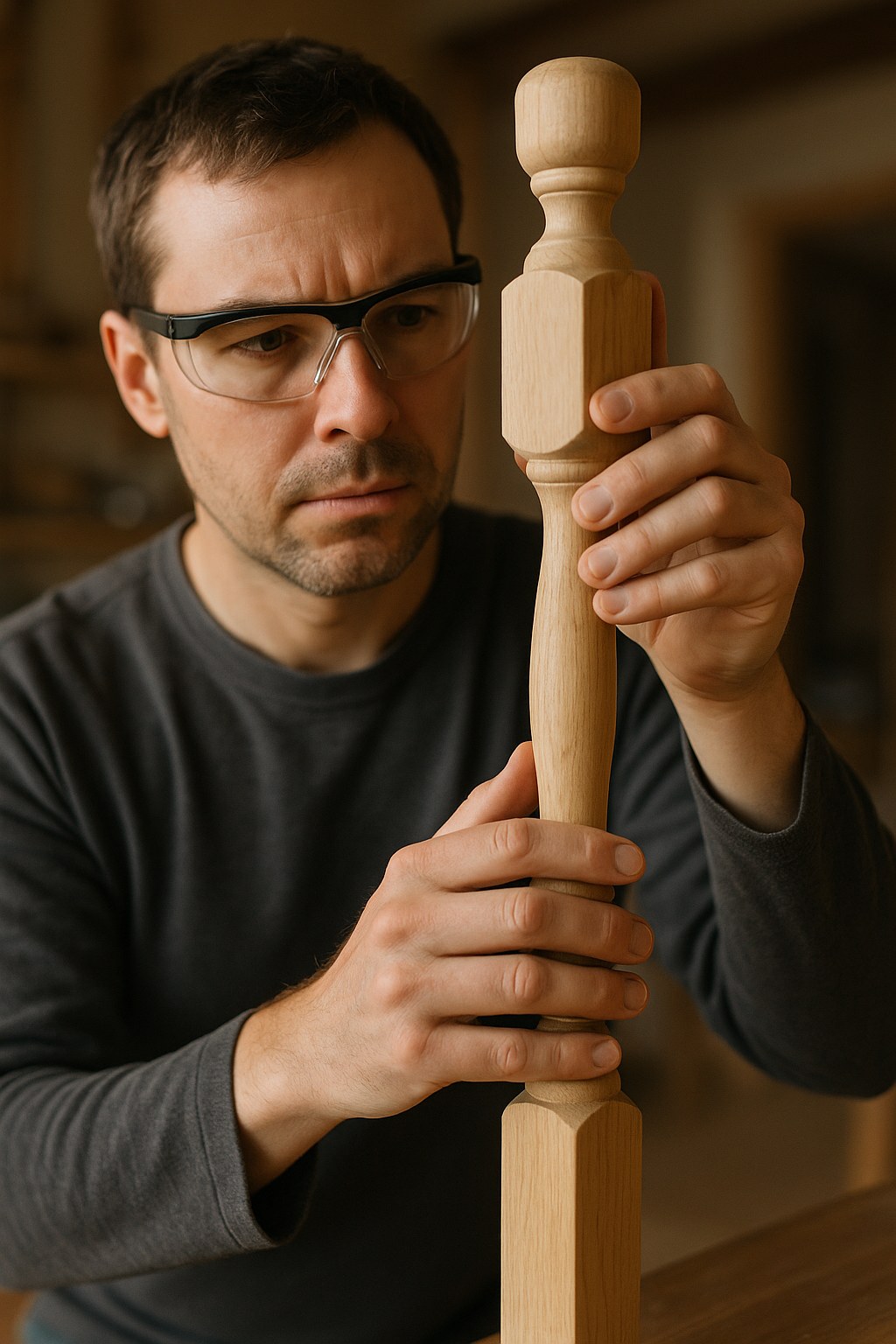
Why You Shouldn’t Ignore a Wobbly Baluster
Before we grab our tools, let's talk about why this is a job you shouldn’t put off.
- It's a Major Safety Hazard: Stair railings are designed to prevent falls. A single broken baluster weakens the entire railing system. This is especially dangerous for households with children or elderly family members who rely on the railing for support.
- The Problem Will Get Worse: One loose baluster puts extra stress on the neighboring balusters and the handrail itself. Over time, this can lead to a domino effect of more loose parts, turning a small repair into a major, expensive overhaul.
- It Affects Your Home's Value: A rickety staircase is a major red flag for potential homebuyers and can detract from your home's overall aesthetic and value.
The good news is that you've already taken the first step by deciding to fix it. Let's get started.
Step 1: Assess the Damage
First things first, we need to play detective. Put on some safety glasses and head over to the staircase to get a good look at the problem baluster. We need to figure out two things: the material and the type of damage.
- Identify the Material: Gently touch the baluster. Is it wood or metal? Most residential staircases use one of these two materials. If it's something else, like glass or cable, that's a job best left to a specialist.
- Determine the Damage: Now, what’s actually wrong with it?
- Is it just a little loose or wobbly?
- Is there a visible crack, but it’s still firmly attached?
- Is it completely detached or broken in two?
Your answers here will determine our plan of attack. Based on what you find, you can jump to the section that matches your situation.
How to Fix a Wood Baluster
Wooden balusters are common, classic, and thankfully, quite repairable. Depending on the damage, you’ll either be repairing it or replacing it.
Scenario 1: Repairing a Cracked Wood Baluster
If your wooden baluster has a crack but is otherwise stable, a little wood glue and pressure can work wonders. This repair is best for hairline or minor cracks that haven't compromised the baluster's structural integrity.
Tools You'll Need:
- Safety glasses
- Wood glue
- Wood clamp
- A damp cloth
- Fine grit sandpaper
- Matching wood stain
Here's the Fix:
- Apply the Glue: Gently try to open the crack slightly with your fingers. Squeeze a generous amount of wood glue deep into the crack. We want the glue to penetrate as far as possible.
- Clamp It Down: Wipe away any excess glue from the surface with a damp cloth. Position a wood clamp around the cracked area and tighten it firmly. This pressure will ensure a strong bond as the glue sets.
- Let it Cure: Leave the clamp in place for at least 30-60 minutes, or whatever the recommended curing time is on your glue bottle.
- Finishing Touches: Once the glue is dry, remove the clamp. Lightly sand the repaired area with fine grit sandpaper until it’s smooth to the touch. Apply a bit of matching wood stain to blend the repair with the rest of the baluster.
- Test Your Work: Give the baluster a firm push and pull. If the crack stays sealed and it feels solid, you’re all done! If it still feels weak, it’s time to move on to a full replacement.
Scenario 2: Replacing a Broken Wood Baluster
If the baluster is badly damaged or detached, a replacement is your best bet. The first step is figuring out how the old one is attached. Look closely at the top (where it meets the handrail) and the bottom (where it meets the stair tread or floor block). You’ll likely find it’s held in with screws, nails, or glue.
Removing the Old Baluster:
- If it's Screws: Use a drill to back out the screws from the top and bottom of the baluster. They might be angled and covered with a bit of wood filler, so you may need to dig slightly to find the screw head.
- If it's Nails: Place a flat pry bar (with a thin piece of wood underneath to protect the stair tread) under the bottom of the baluster. Gently pry upwards to loosen it. A few firm wiggles should free it from the nails.
- If it's Glue: Carefully use a utility knife to score the glue joint where the baluster meets the handrail and tread. Then, use a rubber mallet to tap the baluster from the side, breaking the old glue bond. Once it's out, use a wood chisel to scrape away any old, dried glue from the sockets.
Once the old baluster is out, take it with you to the hardware store to find an identical match. Getting the exact same style and size is crucial for a professional-looking repair.
Installing the New Wood Baluster:
- For a Screw-In Baluster: Slide the new baluster into place. Hold it perfectly straight (plumb) and drive new wood screws in at an angle at the top and bottom to secure it.
- For a Nail-In Baluster: Position the new baluster. Use a hammer to tap finish nails through the handrail into the top of the baluster and through the tread or floor block into the bottom.
- For a Glue-In Baluster: Apply a bead of wood glue into the top and bottom sockets. Insert the new baluster, twisting it slightly to spread the glue. Use painter's tape to secure it to the adjacent balusters to hold it straight while the glue cures for at least 30-60 minutes.
After installation, give it a good shake. If it’s tight and aligned, your staircase is safe once again!
How to Fix a Metal Baluster
Metal balusters often have a simpler installation system, making them even easier to fix. The problem is usually a loose fitting or, less commonly, a bent or broken baluster.
Scenario 1: Re-Securing a Loose Metal Baluster
This is one of the easiest home repairs you'll ever do. Most metal balusters are held in place by a tiny, hidden set screw.
- Find the Set Screw: Look at the very top and bottom of the metal baluster, where it enters its mounting bracket or hole. You should see a small hole for a set screw.
- Tighten It Up: Grab the correct size hex key (also known as an Allen wrench). Insert it into the set screw and turn it clockwise. Tighten it until the baluster no longer wobbles. Check both the top and bottom screws.
- Test It: That’s it! Give the baluster a wiggle. If it’s firm, you’re done. If it still moves, the internal mechanism might be stripped, and you’ll need to replace it.
Scenario 2: Replacing a Metal Baluster
If your metal baluster is bent or the set screw won't tighten, a replacement is in order.
- Remove the Old One: Simply use your hex key to loosen the top and bottom set screws by turning them counter-clockwise. The metal baluster should slide right out.
- Get a Match: Just like with a wood baluster, take the old one with you to ensure you get an exact replacement in length and design.
- Install the New One: Slide the new metal baluster into the top and bottom holes. Hold it straight and tighten the top set screw first, then the bottom one.
- Final Check: Shake the baluster to ensure it's completely stable and doesn't rattle.
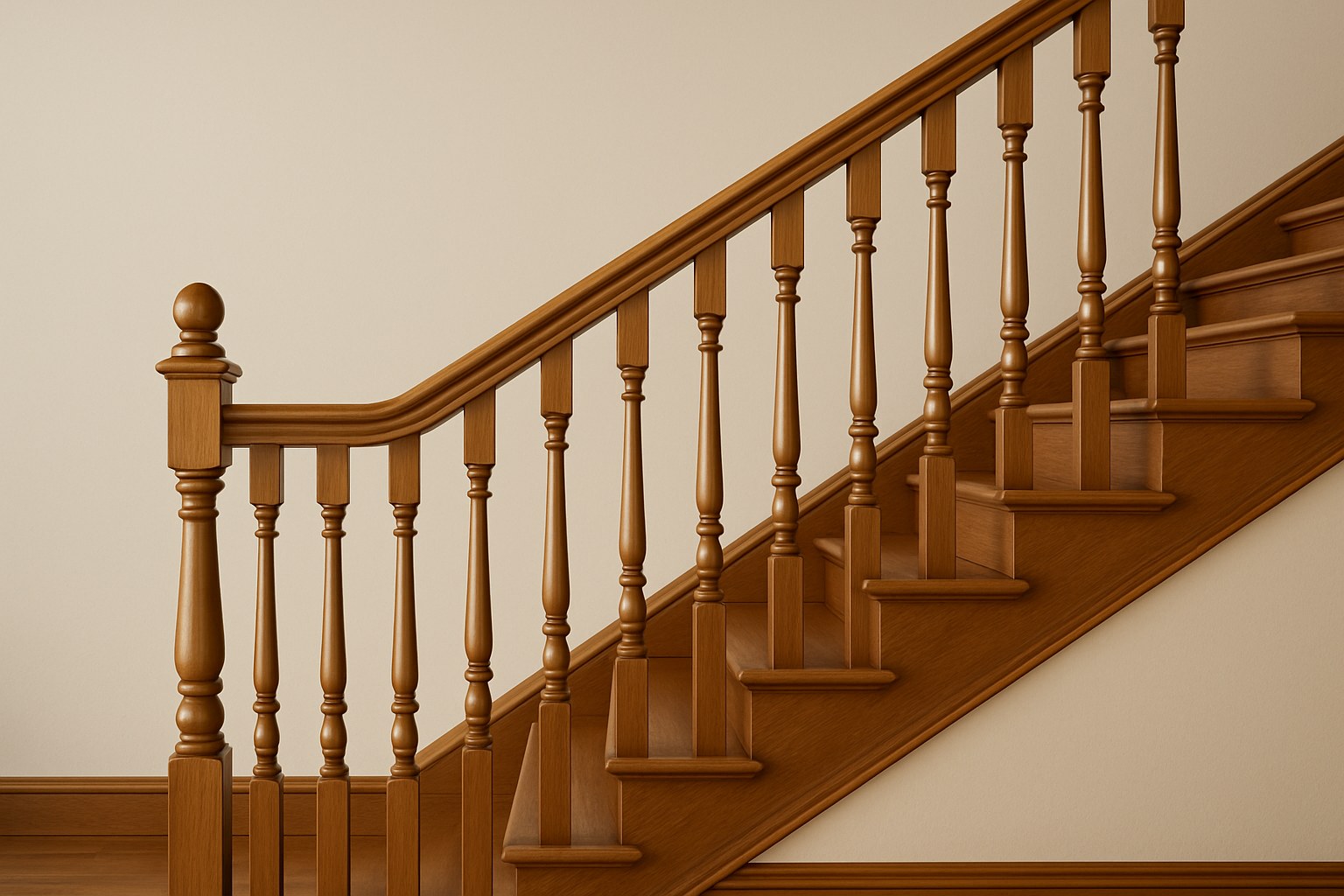
Cost of Fixing a Baluster: DIY vs. Hiring a Pro
One of the best parts of tackling this yourself is the savings.
When Is It Time to Call a Contractor?
While many baluster repairs are perfect for DIY, some situations call for professional help. It’s time to call a contractor if:
- You can't find a matching replacement baluster, especially if it's an ornate or custom design.
- The handrail or the stair tread itself is cracked, loose, or damaged.
- You have multiple broken balusters, which could indicate a larger, systemic problem with your staircase.
- You've attempted the repair, but the baluster still doesn't feel secure.
Your Home, Safe and Sound
A secure staircase is non-negotiable for a safe home. By following these steps, you can confidently fix that broken baluster and restore both the safety and beauty of your stairs. You’ve not only saved money but also gained a valuable home maintenance skill.
For more easy-to-follow guides, project checklists, and instant access to trusted professionals when you need them, download the Casa app today. We're here to help you manage your home with confidence, from small fixes to big renovations.