Why Is My Water Heater Making Noise? (And How to Fix It)
Hearing strange noises coming from your utility closet or basement can be unsettling. Whether it’s a low rumble, a sharp pop, or a steady hiss, a noisy water heater is your home's way of asking for attention.
Looking for more guidance? Take a look at our Repairs overview.
Get the Casa App
Identify and resolve the issue to prevent future problems.
The good news is that your water heater likely isn’t about to explode. Most of these sounds are caused by sediment buildup, temperature fluctuations, or standard wear and tear. While some noises indicate it’s time for a repair or replacement, many can be resolved with simple maintenance you can do yourself.
In this guide, we’ll help you decode the sounds, check for safety issues, and walk you through the steps to quiet your system down.
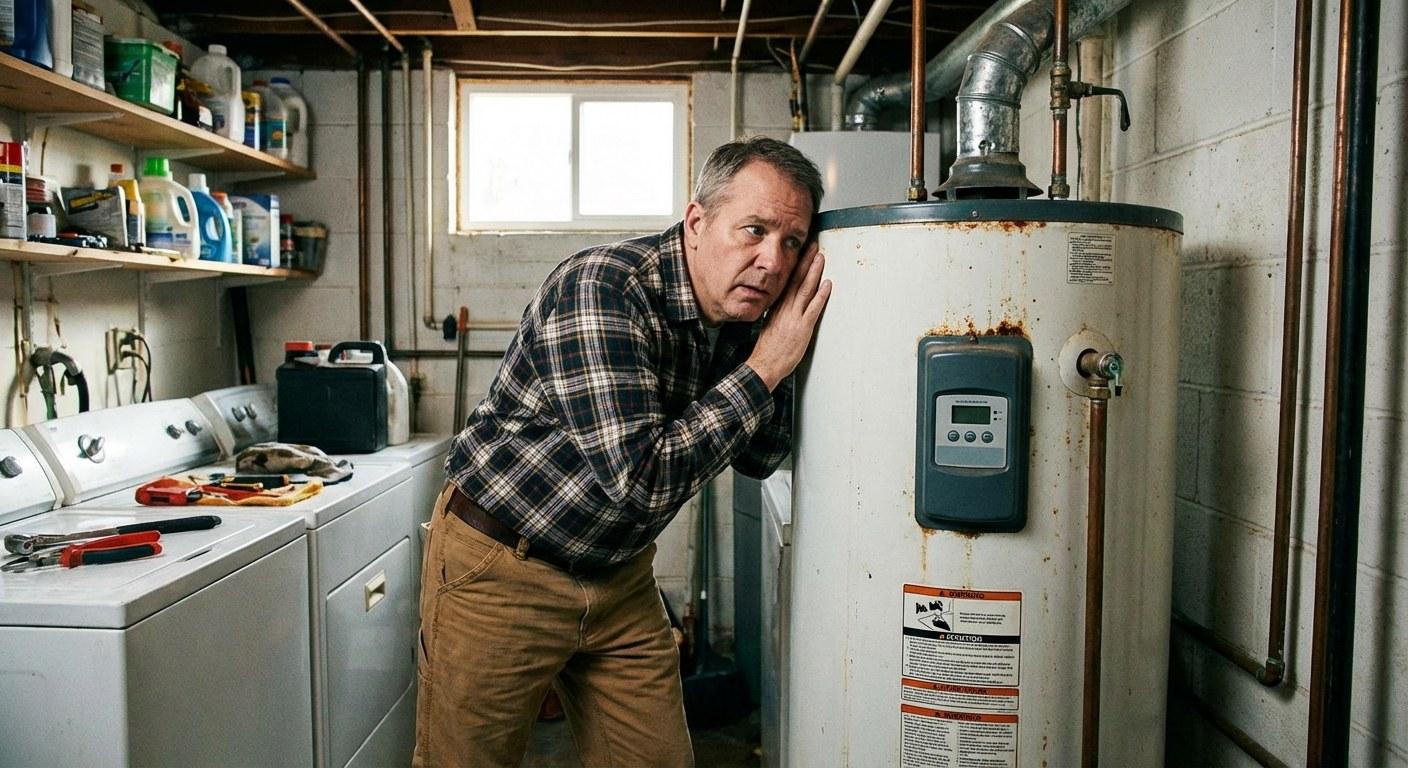
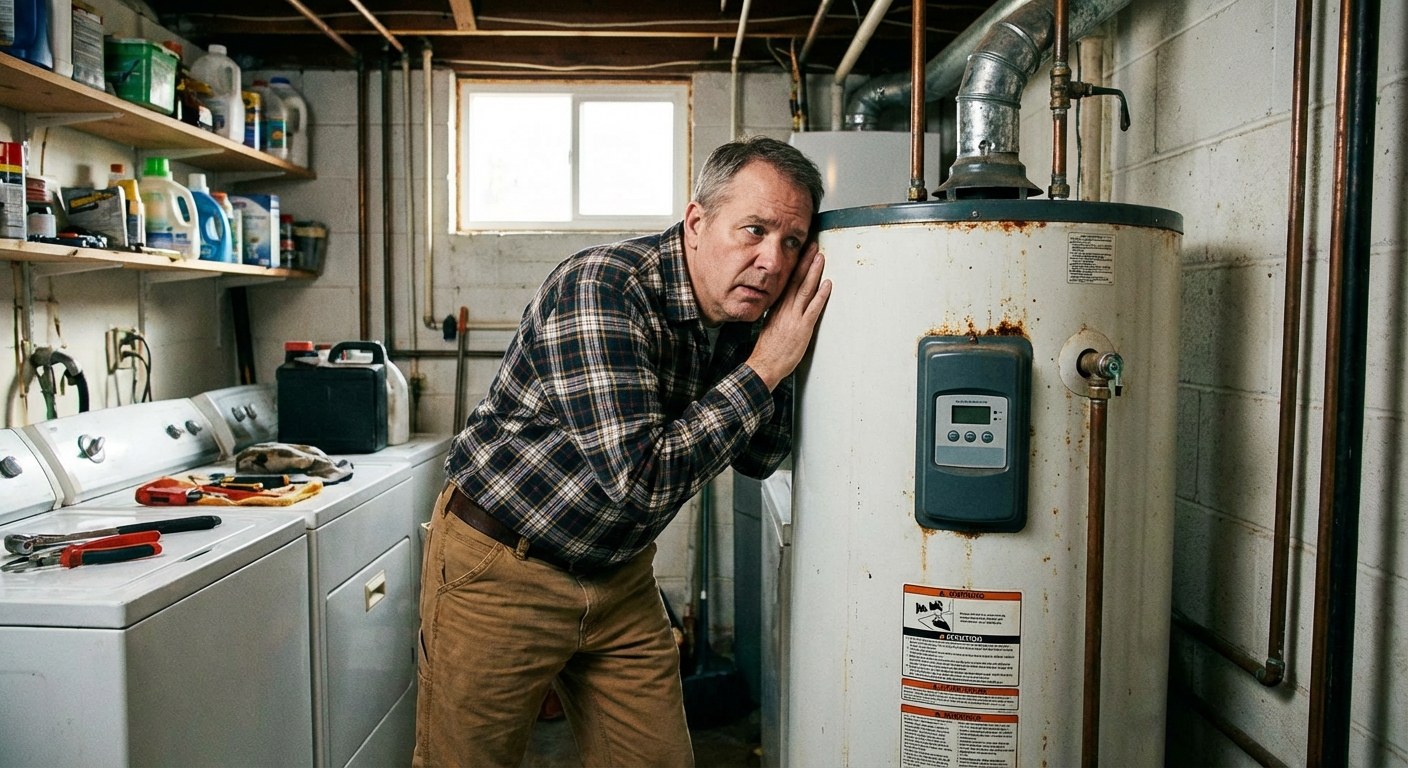
![Water heater inspection]
What the Noises Usually Mean
Before you grab your toolbox, listen closely. The specific type of sound can tell you exactly what’s happening inside the unit.
Rumbling or Banging: This is often the sound of "kettling." Mineral deposits (sediment) from hard water settle at the bottom of the tank. As the burner heats the water trapped under this sediment layer, steam bubbles escape and pop, causing the sediment to bang against the tank walls.
Popping: similar to rumbling, this usually indicates sediment buildup or scale on the heating elements.
Hissing or Sizzling: If you have a gas heater, this could be condensation dripping onto the hot burner. If it’s electric, it might mean the heating elements are covered in scale.
Whistling: This often points to a pressure issue where water is trying to squeeze through a restricted opening, like a clogged valve or inlet.
Initial Safety Check (Do This First)
Before troubleshooting the noise, we need to make sure the unit is safe to work on.
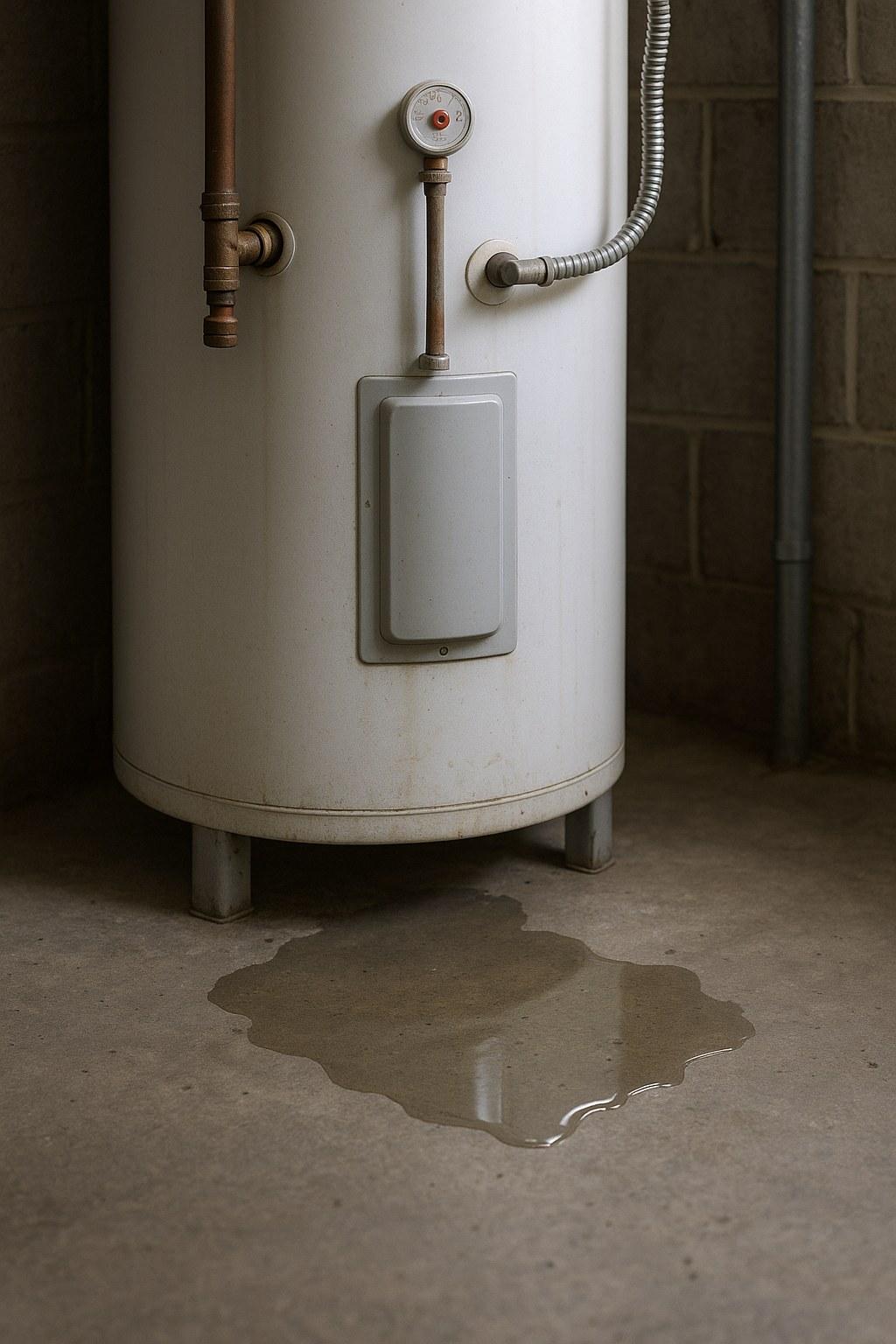
Look for leaks: Check the base of the water heater and the seams of the tank. If you see standing water or heavy rust streaks, stop immediately.
Check for corrosion: Scan the exterior for heavy orange-brown rust spots.
Smell the air: If you have a gas unit, sniff near the control valve. If you smell sulfur or rotten eggs, leave the house and call your gas company or a professional immediately.
Safety Note: If you found active leaking, severe corrosion, or a gas smell, do not proceed with DIY fixes. Call a professional HVAC technician or plumber right away.
Step-by-Step Diagnosis and Repair
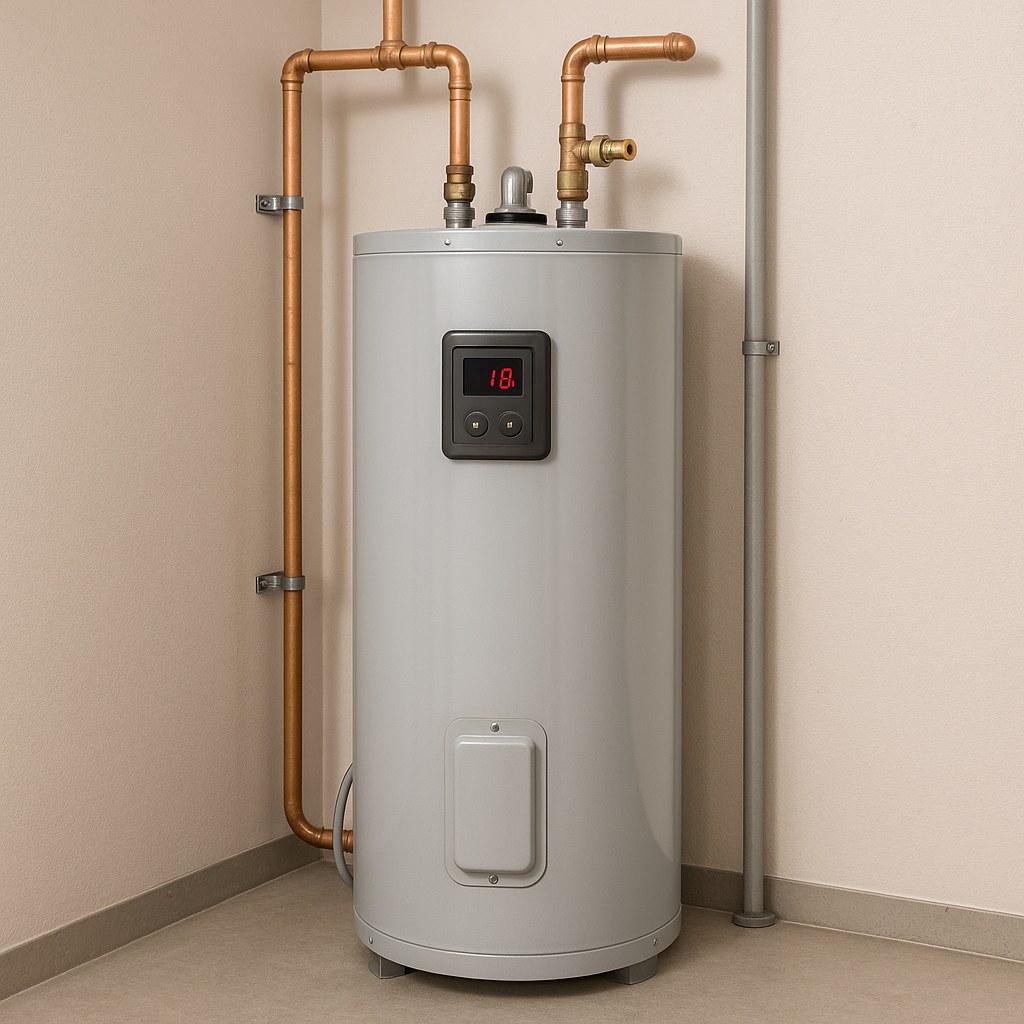
The fix depends heavily on what kind of water heater you have. Identify your unit type below to find the right steps.
Scenario A: You Have a Tankless Water Heater
Tankless units are great for efficiency, but they are sensitive to hard water scale.
1. Is it a Gas Tankless Unit?
If you hear rumbling/popping: You likely need to descale the unit. This involves circulating a vinegar solution through the heater to dissolve mineral buildup.
Safe to DIY? Yes, if you are comfortable using a submersible pump and bucket.
Time: ~1 hour.
If you hear whistling: Check the water inlet filter. Close the cold water isolation valve, remove the small mesh filter screen, rinse it clean, and replace it.
Safe to DIY? Yes, very easy.
Time: 15 minutes.
If you hear hissing: This could be a condensate leak or a relief valve issue. Check the drain lines for clogs and ensure the relief valve isn't weeping water.
2. Is it an Electric Tankless Unit?
Rumbling/Rattling: Similar to gas units, this usually requires descaling to clean the heating coils.
Whistling: Check the inlet filter for debris blockage. If clean, check the pressure relief valve.
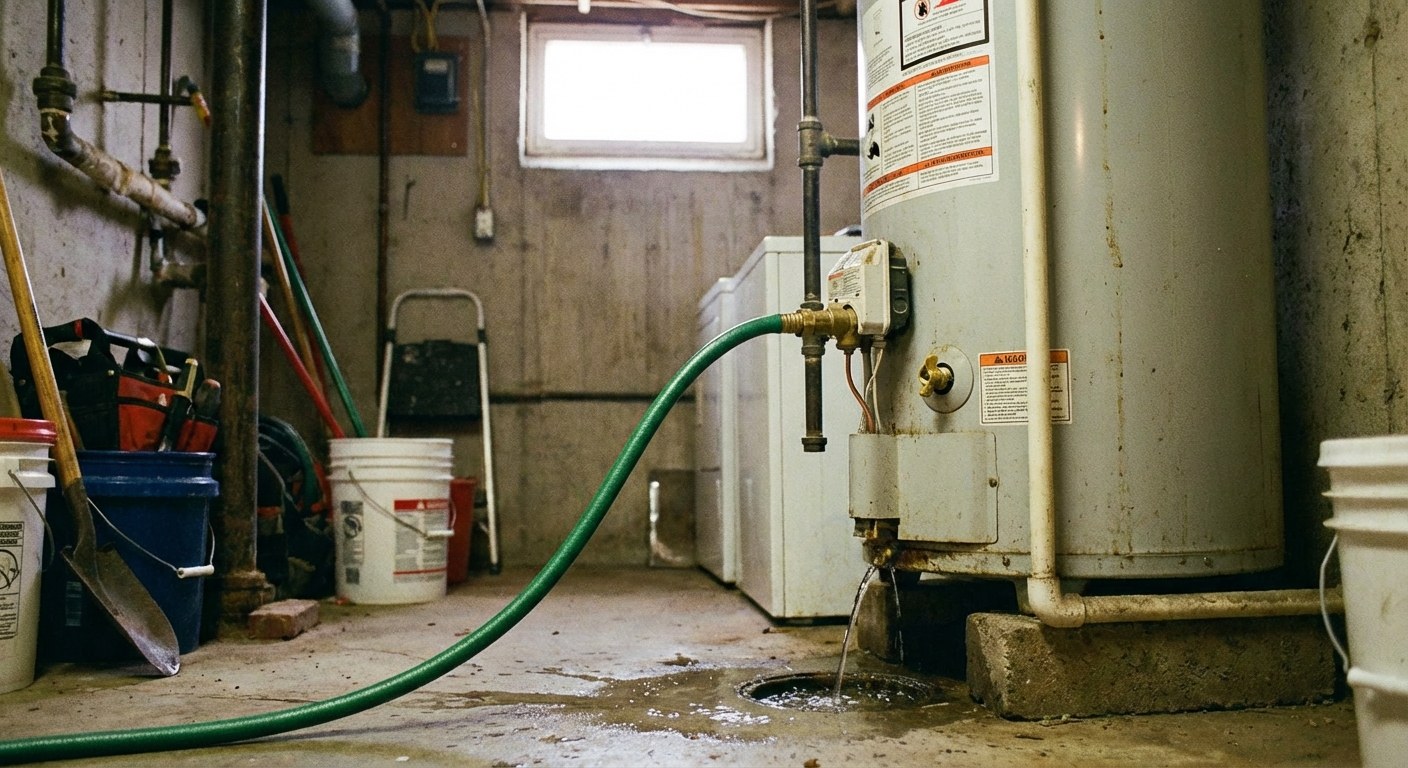
![Flushing a water heater]
Scenario B: You Have a Standard Tank Water Heater
These are the most common units and the most prone to sediment buildup.
1. Is it a Gas Tank Water Heater?
Rumbling, Banging, or Popping: This is the classic "sediment in the tank" sound. You need to flush the tank.
How to flush: Turn off the gas (to "pilot" or "off"). Connect a garden hose to the drain valve at the bottom. Run the other end to a drain or outside. Open the valve and let the water run until it’s clear of sediment.
Safe to DIY? Yes.
Time: 30–45 minutes.
Sizzling/Hissing: Check if condensation is dripping onto the burner. If there are no external leaks, this might just be normal condensation during heavy use (like after a long shower). If it persists constantly, call a pro.
2. Is it an Electric Tank Water Heater?
Rumbling or Popping: Just like the gas version, flush the sediment out of the tank using a garden hose attached to the drain valve.
Important: Always turn off the circuit breaker before draining an electric tank to avoid burning out the heating elements.
Sizzling/Hissing: This usually means scale has built up on the electric heating elements inside the tank.
The Fix: You can inspect and clean the elements, but if they are heavily calcified, it is often easier and safer to replace them. This involves turning off power, draining the tank, and unscrewing the elements.
Safe to DIY? Only if you are comfortable working with electrical appliances and using a multimeter. If not, call a pro.
When to Call a Professional
While flushing a tank or cleaning a filter is standard maintenance, some noises signal deeper problems.
Call an HVAC technician or plumber if:
You see active leaks: Water pooling around the base usually means the internal tank has failed. This cannot be patched; the unit must be replaced.
Flushing doesn't stop the noise: If you've flushed the tank or descaled the unit and the banging persists, the sediment may have hardened into rock-like scale that can't be washed away.
You are uncomfortable with gas or electricity: If the instructions involve gas lines or 240-volt wiring and you feel unsure, it is always safer to pay for an expert.
The T&P Valve keeps leaking: If the Temperature and Pressure relief valve (the little lever on the side or top) keeps dripping after you test it, it needs replacing.
Typical Costs and Time
Fixing a noisy water heater is usually a low-cost effort if you catch it early.
DIY Flushing/Descaling: $0 – $30 (Cost of vinegar or a bucket/hose).
Professional Flush/Maintenance: $150 – $300.
Heating Element Replacement: $200 – $400 (Professional).
Full Unit Replacement: $1,200 – $3,500+ (depending on type and labor).
Get Your Home Maintenance on Track
A noisy water heater is a reminder that our homes are complex systems that need regular care. Keeping track of when you last flushed your tank or checked your pressure valve can prevent these noises from coming back.
The Casa app is designed to help you stay organized. You can log your water heater’s model, track maintenance dates, and get reminders when it’s time to flush the system again—all in one place.
If the noise stops after following these steps, you’ve just extended the life of your water heater and saved yourself a repair bill. If the noise continues, don't hesitate to call a pro.
Ready to simplify your home care? Download the Casa app today.