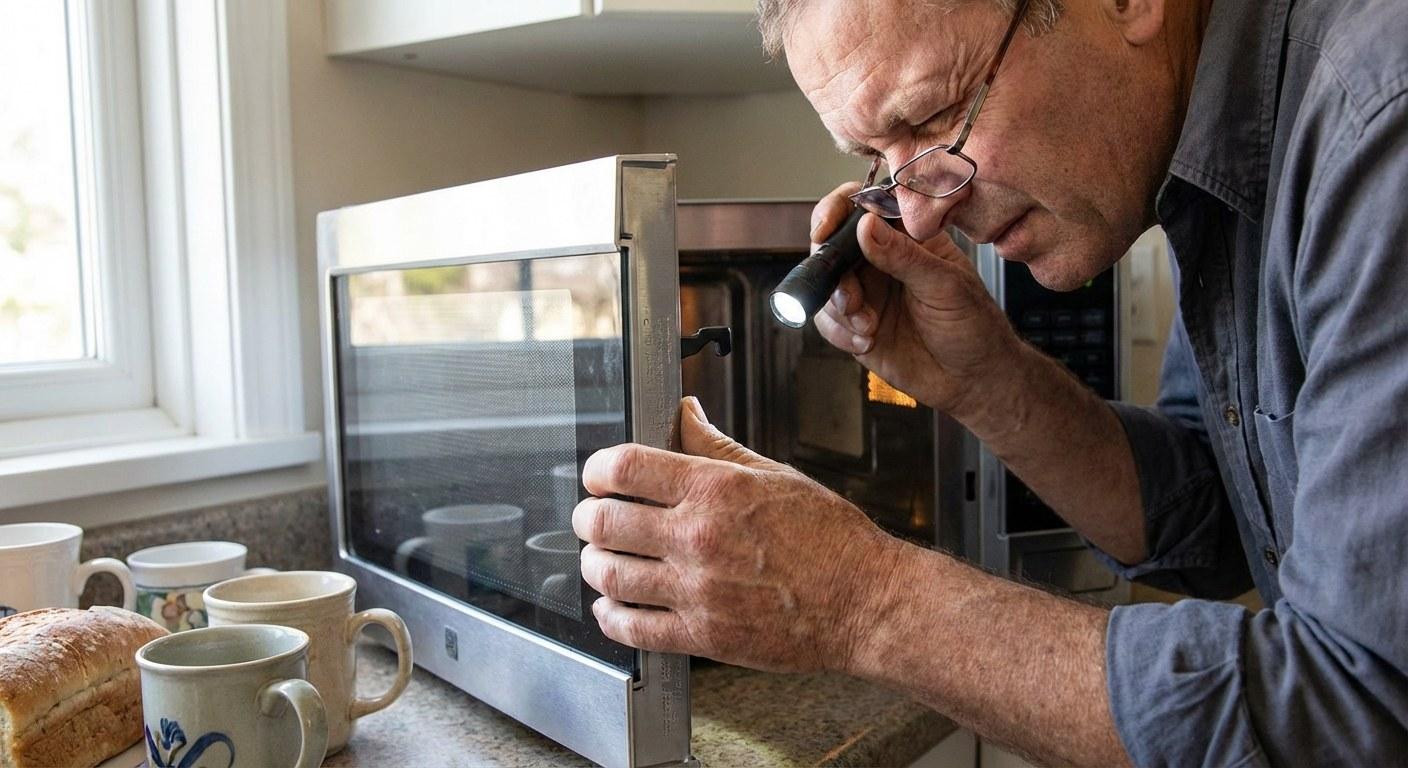
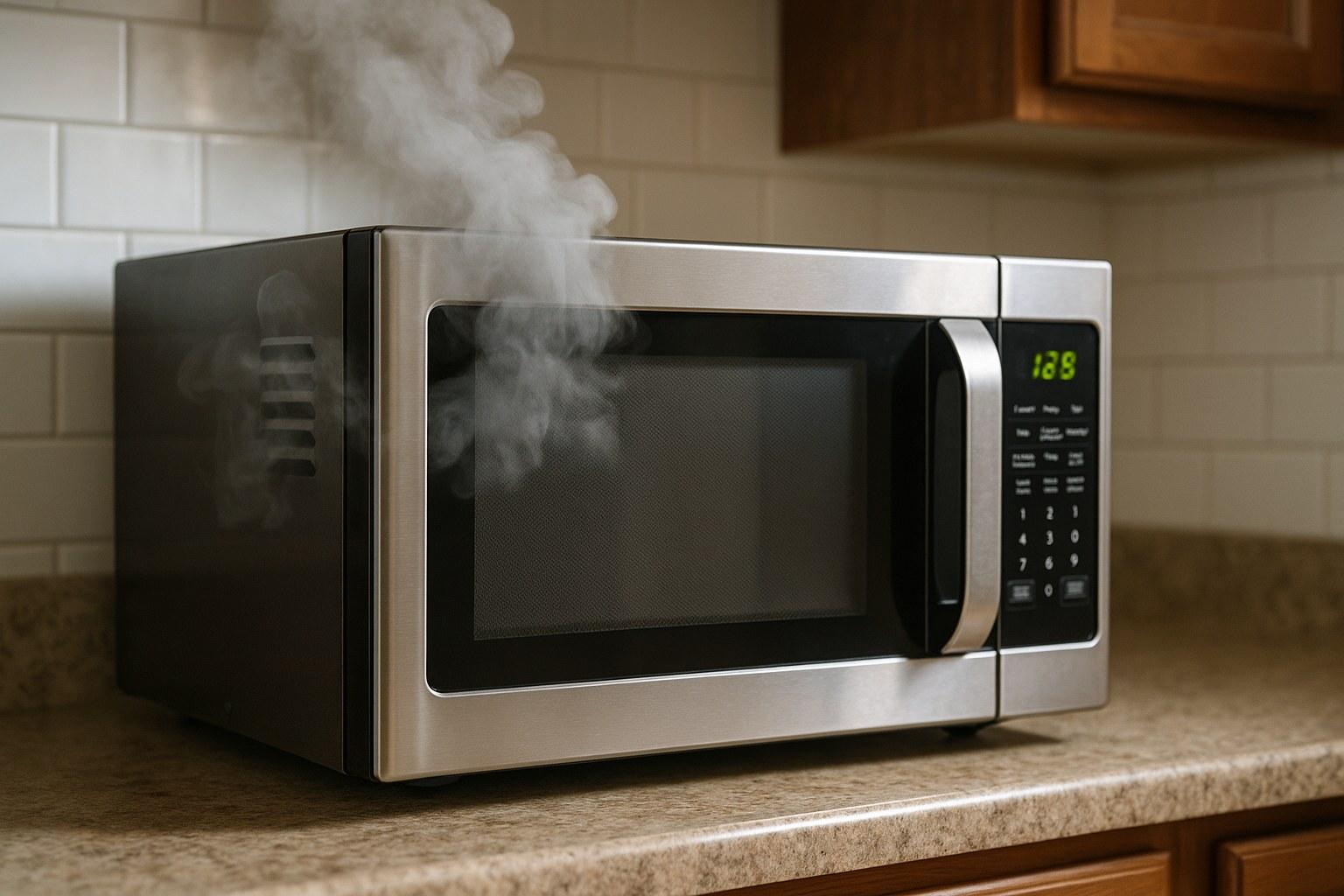
The good news is that the cause is often a simple mechanical issue you can safely investigate yourself. More often than not, the problem is a loose hinge or a bit of stubborn, built-up grime around the latch.
This guide will walk you through the safe steps to diagnose the problem, perform simple fixes, and understand when it’s time to call a professional.
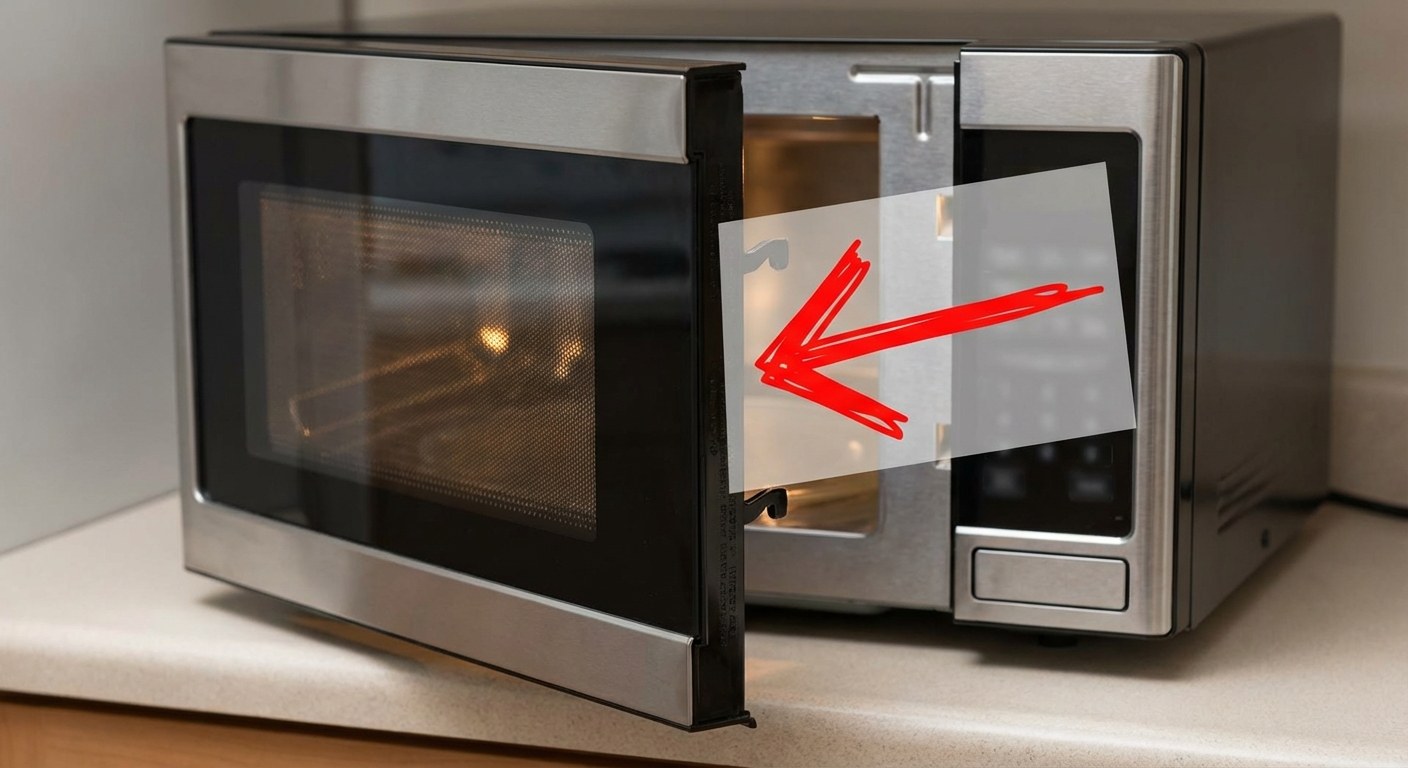
Why Won't My Microwave Door Latch?
Before we begin, let’s look at the most common reasons a microwave door fails to close properly. Understanding the potential causes makes the diagnosis much clearer.
- Misaligned Door: Over time and with repeated use, the screws in the door hinges can loosen, causing the door to sag slightly and miss the latch.
- Debris in the Latch: Food particles, grease, and other grime can build up inside the latch mechanism, preventing the hooks on the door from engaging correctly.
- Broken Latch Assembly: The plastic hooks on the door or the internal springs in the latch mechanism can wear out and break from stress.
- Faulty Door Sensor: A small internal switch, called a microswitch, tells the microwave that the door is closed. If this switch fails, the microwave may act as if the door is open even when it’s latched.
How to Safely Fix a Microwave Door That Won't Close
Follow these steps in order to safely identify and solve the problem.
Step 1: Safety First - Unplug the Microwave
Before you do anything else, unplug the microwave from the wall outlet. This is a critical safety step. Microwaves contain a high-voltage component called a capacitor that can store a dangerous electrical charge even after the unit is unplugged. While the fixes below do not involve opening the microwave’s casing, it’s best practice to always disconnect the power first.
Wait at least one minute after unplugging for any residual power to discharge before you proceed.
Step 2: Check Your Warranty
Before attempting any fixes, check if your microwave is still under the manufacturer's warranty. You can usually find this information in your user manual or on the manufacturer's website. Trying to fix it yourself could void the warranty.
If it is covered, your best course of action is to contact an authorized service center. They will handle the repair, and it will likely be covered at no cost to you. Keeping track of appliance manuals and purchase dates in an app like Casa can make moments like this much easier.
Step 3: Inspect for Misalignment or a Sagging Door
If your warranty has expired, you can move on to some simple diagnostics. A sagging door is a very common issue.
- Support the door. With one hand, hold the outer edge of the microwave door, lifting it slightly so it sits level with the control panel.
- Locate the hinges. You will see screws on the top and bottom hinges where the door connects to the microwave body.
- Tighten the hinge screws. Using a Phillips screwdriver, firmly tighten the screws on both the upper and lower hinges. Do not overtighten, but make sure they are snug.
- Test the door. Close the door to see if it now aligns correctly with the latch opening, known as the strike plate, on the microwave frame.
If the door now latches securely, you’ve solved the problem. If it’s still not closing, the issue may be an obstruction.
Step 4: Clean the Latch Area
Grease and food particles are the next most likely culprit. A thorough cleaning can often resolve the issue.
- Prepare a cleaning solution. Mix a small amount of dish soap with warm water.
- Scrub the latch parts. Dip an old toothbrush into the soapy water and gently scrub the plastic hooks on the door itself. Then, carefully clean the strike plate area on the microwave body where the hooks go in.
- Rinse and dry. Use a clean, damp cloth to wipe away any soap residue, then dry the area completely with another cloth or paper towel.
- Inspect for damage. While cleaning, look closely at the plastic door hooks. If you see any cracks or signs that a piece has broken off, the latch assembly will need to be replaced by a professional.
Try closing the door again. If cleaning away the debris allows it to click shut, you’re all set.
When It’s Time to Call a Professional
If you’ve tightened the hinges and cleaned the latch area but the door still won’t close, the problem is likely internal. For your safety, do not attempt to open the microwave’s outer casing.
It’s time to call an appliance repair technician if:
- The door hooks are visibly broken. The door latch assembly needs to be replaced.
- You don’t hear a “click” when closing the door. This often means the internal latch spring or mechanism is broken.
- The door latches but the microwave still won’t start. This usually points to a failed microswitch (the door sensor). A technician can safely test and replace this part.
Replacing internal components requires specialized knowledge to safely discharge the capacitor and handle the wiring. This is not a safe DIY project.
Typical Time and Cost
- DIY Fix: If tightening screws or cleaning the latch works, your total time will be about 15–20 minutes, and the cost will be next to nothing.
- Professional Repair: Hiring an appliance repair technician typically involves a service call fee plus the cost of parts and labor. You can expect the total cost to range from $100 to $250, depending on the specific part that failed and labor rates in your area. For older or inexpensive countertop microwaves, it may be more cost-effective to replace the unit entirely.
A Clear Path to a Working Microwave
A microwave door that won’t latch is a common issue that often has a simple solution. By starting with a safety check, confirming your warranty status, and then looking for simple mechanical issues like a loose door or a dirty latch, you can often fix the problem yourself in minutes. Just as important is knowing when to stop and hand the job over to a professional for any internal repairs.
Feeling prepared for home maintenance is a great way to reduce stress. Download the Casa app today to keep your home’s information organized, track repairs, and get clear, confident guidance for any project, big or small.