The first thing to understand is that all electric burners are designed to cycle on and off to maintain a set temperature. This is completely normal. However, if a burner is cycling very rapidly—switching off and on every 10-15 seconds even on a medium setting—that usually points to a problem.
The good news is that this is a common issue, and the fix is often straightforward. This guide will help you determine the cause, see what you can safely fix yourself, and know when it’s time to call a professional.
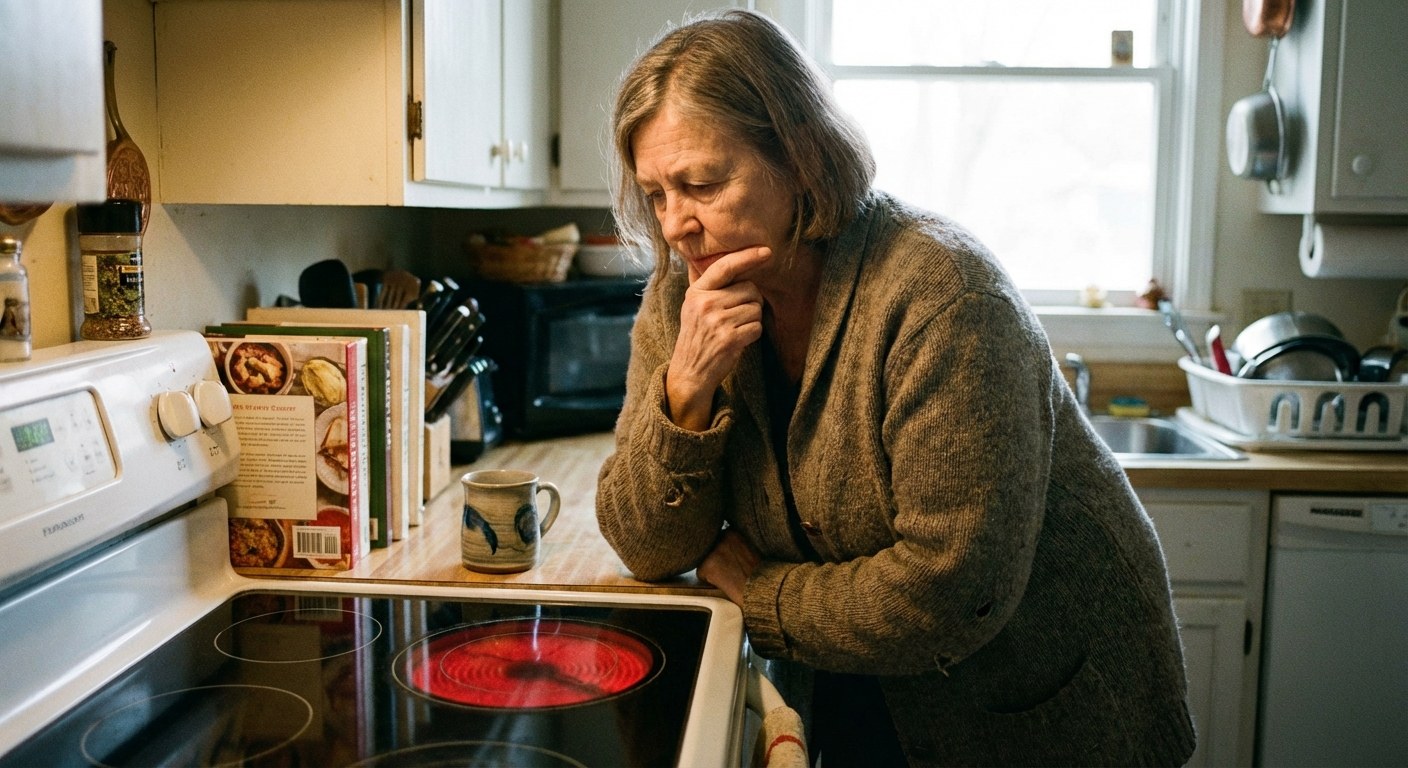
An image showing a person looking thoughtfully at their electric stovetop, deciding where to start troubleshooting.
First, Is It One Burner or Several?
Before you can fix the problem, you need to find out how widespread it is. A single faulty burner often points to a different cause than when all the burners are misbehaving.
This simple test will help you identify the scope of the issue.
- Start with everything off. Make sure all burner knobs are in the "Off" position.
- Test each burner individually. Place a small pan with about a cup of water on one burner. Turn that burner to a medium heat setting.
- Watch and wait. Observe the burner element for about two minutes. Does it turn off within 15 seconds, then click back on shortly after? Take note of its behavior.
- Repeat for all burners. Turn the first burner off and repeat the test for every other burner on your stove.
Once you’re done, you’ll know if the rapid cycling is happening with just one burner or with multiple (or all) of them.
If Only One Burner Is Cycling Rapidly
When the problem is isolated to a single burner, the cause is usually a worn-out part connected to that specific element. Here’s how to investigate.
For Stoves with Mechanical Knobs
If your stove uses simple turning knobs with no digital display, the issue is likely the burner coil itself or the switch behind the knob.
What You Can Try Yourself:
- Safety First: Turn off the power. Go to your home’s circuit breaker panel and flip the breaker for your stove to the "Off" position. This is a critical safety step.
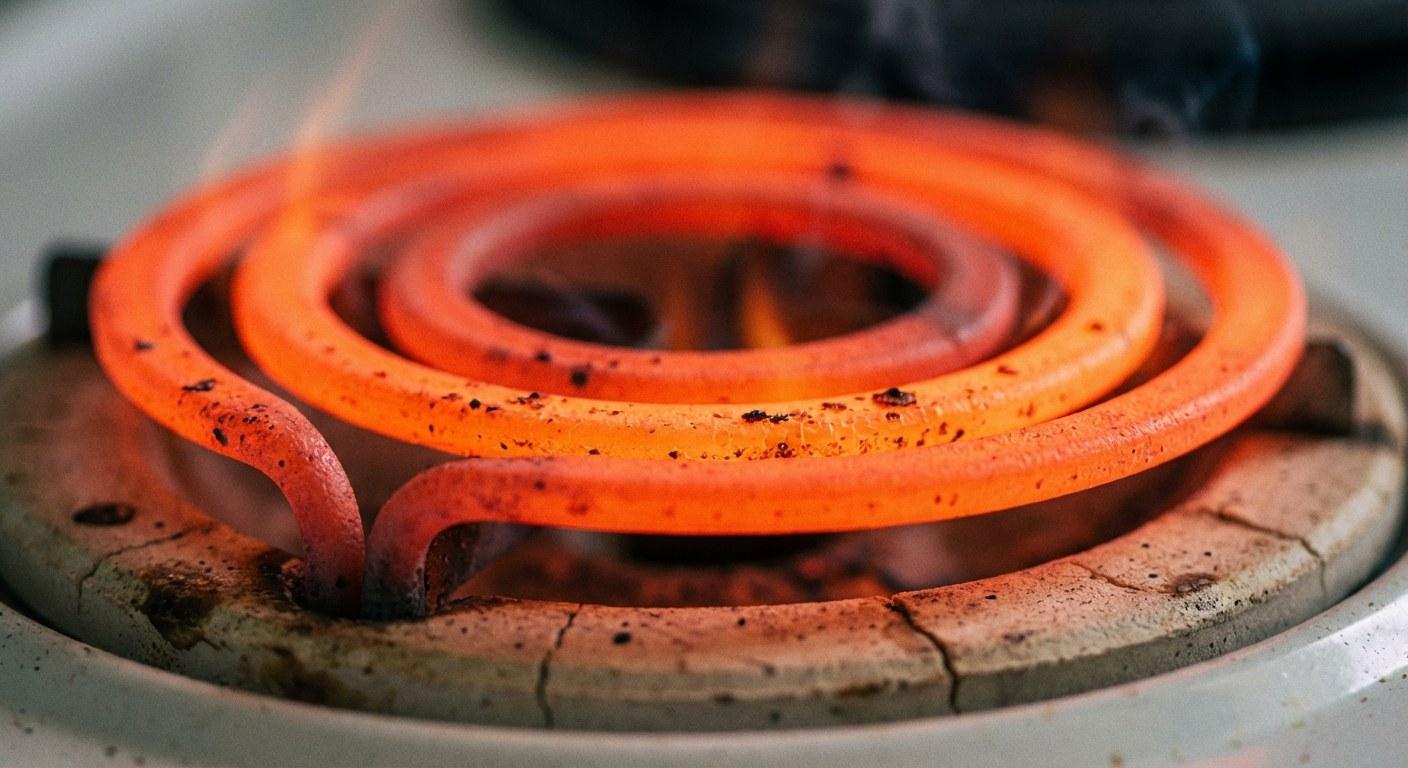
- Check the burner coil connection. Once the burner is completely cool, lift the coil element straight up and pull it out of its socket, which is called a receptacle. Look inside the receptacle for any signs of charring, corrosion, or bent metal contacts. Sometimes, a loose connection is all that’s wrong.
- Reseat the burner coil. Firmly push the coil’s prongs back into the receptacle, making sure it sits level and snug.
- Restore power and test. Go back to the breaker panel and turn the stove’s power back on. Turn the troublesome burner to medium and watch it for a couple of minutes. If it now heats steadily, the loose connection was the problem.
When to Stop and Call a Professional:
If reseating the coil doesn’t work, the issue may be the infinite switch. This is the electrical component directly behind the control knob that regulates power to the burner. While you can sometimes see signs of failure yourself, replacing it is a job for a pro.
- Signs of a bad switch: With the power still off at the breaker, you can pull the control knob straight off its post. You may see two screws holding the switch in place. If you can see any black, sooty marks, scorched spots, or melted plastic on the switch assembly behind the control panel, the switch has failed and needs to be replaced.
- Why call a pro? Replacing a switch involves handling the stove’s wiring. For safety and peace of mind, it’s best to have an appliance repair technician handle this repair.
For Stoves with Digital Controls
If your single misbehaving burner is controlled by a digital touchpad or a knob next to a screen, a simple reset might solve the problem.
What You Can Try Yourself:
- Perform a power cycle. Go to your circuit breaker panel and turn off the breaker for the stove.
- Wait 60 seconds. This gives the stove’s internal control board time to fully power down and clear any temporary glitches.
- Turn the power back on. Flip the breaker on and test the burner again.
When to Stop and Call a Professional:
If the power cycle doesn’t fix it, the issue is likely a faulty relay or sensor on the main control board that is specific to that burner. A control board repair requires specialized knowledge, so this is the right time to contact an appliance repair technician.
If Multiple Burners Are Cycling Rapidly
When two or more burners are cycling too quickly, the problem is rarely the individual parts. Instead, it usually points to a larger issue with the stove's main control board or the power supply coming into your home.
For Stoves with Digital Controls
- Power cycle the stove. Follow the same steps as above: turn the breaker off for at least a minute, then turn it back on.
- Look for error codes. When the power returns, watch the stove’s digital display. If you see any flashing numbers or letters (like "F1" or "E0"), write them down. This code helps a technician diagnose the problem quickly. Even if the burners seem to work, an error code is a clear sign to call for service.
When to Call a Professional (For All Stove Types)
If multiple burners are failing on any type of stove (digital or mechanical), the problem is almost always related to the power supply or the main control board.
This is not a DIY situation due to the risks of working with high-voltage electricity.
A professional technician or a licensed electrician will perform these checks:
- Check the voltage: An electric stove requires 240 volts to operate correctly. A professional will use a tool called a multimeter to check the voltage at the outlet and at the stove’s terminal block (where the power cord connects to the appliance). If the voltage is too low, it can cause the burners to function erratically. This could be an issue with your home’s wiring.
- Inspect connections: They will also check for loose or corroded wires at the terminal block. A poor connection can restrict the flow of power to the entire appliance.
Because these steps involve direct contact with your home’s electrical system, they should only be performed by a qualified professional.
Time and Cost Estimates
- DIY Fix (Reseating a coil):
- Time: 5 minutes
- Cost: Free
- Professional Repair:
- Burner Switch Replacement: A service call plus the part typically ranges from $150 to $300.
- Control Board Repair/Replacement: This is a more expensive repair, often costing between $300 and $600, depending on the stove model.
- Electrical Supply Issue: If the problem is with your home's wiring, you'll need an electrician. Costs can vary widely depending on the work required.
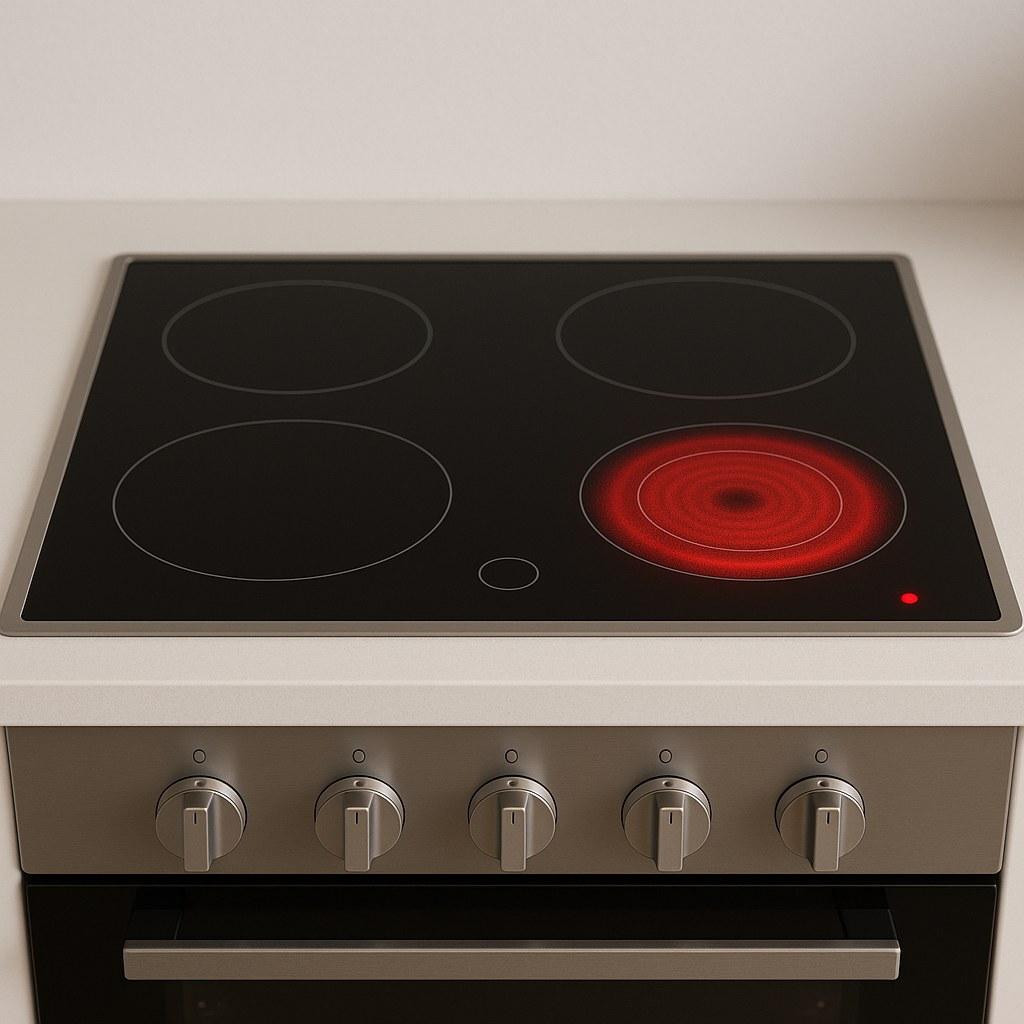
An image of a clean and fully functional electric stovetop, with all burners off, symbolizing the problem is solved.
A Clear Path Forward
Dealing with a malfunctioning appliance can be stressful, but by following a logical process, you can confidently decide on your next step. Start by determining if the issue affects one burner or many, as that will point you toward either a simple part replacement or a larger power issue.
Keeping track of your home’s appliances, repairs, and maintenance can feel overwhelming. The Casa app helps you organize everything in one place, so you’re always prepared. Download Casa today to get a clear view of your home and feel ready for whatever comes next.